Transcript
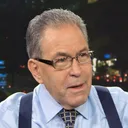
Automated transcript · uncorrectedWith us today is Ken Pokowski, and he is a member of the New York State Business Council representing thirty two hundred companies in New York and he’s very much concerned what’s happening in Aubany and so many things that the State Assembly and state Senator is doing. Ken tell on New York City, New York State people, what the
heck is going on?
Oh sure, well, thanks for having me. New York State and New York City for that matter, have taken very aggressive approaches to reducing carbon emissions in New York State. Even though New York State is already a pretty clean economy.
We have low emissions, we have relatively low enerviews. So we’ve pans laws that say, by twenty fifty, twenty seven years from now, there’ll be zero carbon missions from any source in New York State, cars, buildings, trains, off road equipment, all of the above. And right now we’re going through this process of deciding how you actually get from here
to there, what specific mandates, restrictions, bands are necessary to meet those target and along the way, commitments to changing our entire power system to a zero emitting power system. That means replacing all of our existing natural gas power plants with solar wind, offshore wind, and probably some things that haven’t even been invented yet.
Now is that possible? I mean to me, it sounds like a fantasy land. I mean, how can we become if America not? America has one hundred years worth of oil and they want us to convert it into something that we don’t have.
Yeah, and that’s the not only is it technically possible, the question is can a state do these things on its own? These are going to add significant costs to the cost of doing business in New York, to the cost of living in New York, costs that most states aren’t imposing on themselves. So even though there are things
that we could do better, you know, New York State has already moved its power generation system away from coal to natural gas. We have a lot of hydro, we have a lot of nuclear, we have a lot of NONYMATU sources. So we can do things that are are useful and reduce emissions and have other local health benefits.
But to go this far, this at the bit level, when other states and nations aren’t doing anything along these lines, it’s going to make this incredibly difficult to do in a way that’s not going to do significant economic damage to the state.
And you’re right, and I’m still scratching my head how we’re going to absorb all the electricity we need after shutting down Indiandpoint.
That’s part of the immediate problem. The stage is submitted to A power transmission line from hydro Quebeck down to New York City is going to cost US fifteen billion dollars to build, which is largely being done to replace the lost Indian Point generation. We’re building a lot of offshore wind not built yet, but that’s going to be
replacing both Indian Point under power plants that are being forced out of operations in downstate New York and the one. There’s a lot of major concerns with what New York State has done so far to do this implementation. One of the glaring absences, if you will, is any detailed discussion of how these expenditures are going to impact at
people’s power rates, what’s going to mean for the energy costs to households, to small business, to large manufacturers. We have no guidance on that. At Our concern is that the reason why we’re not talking about it is because there are going to be significant and it’s going to have real adverse impacts, and sooner resident later.
Understood. What should all New Yorkers know now? I mean, well, any other input that you have what the effects are going to be over the next three to five years, because you know, we’re all living now and we’re praying for better New York that we can afford to live here.
What say you than that?
And John, John, I think it’s true that most people are busy living their lives to be really closely follow some public policy issues. But people are waking up to this. Earlier this year, when all theys first started talking about banning the use of gas fired souls at homes, it’s got a lot of attention. New York City has its
own restrictions on use of natural jazz that are kicking in as early as twenty twenty four, and KINDO committees are starting to realize this is going to impose significant compliance costs on their home and they don’t know how they’re going to deal with it. So we’ve been sharing these issues and concerns with our membership for the last
several years. Increasing the residents and voters of the State, are realizing how these aggressive goals are going to impact them in their pocketbook, going to impact how they can drive, how they build and operate their homes at some point, what kind of jobs are going to be available to them, and the legislature is going to have to be responses
to these real world concerns.
Understood well, Ken Pakowski, thank you so much for coming on, Thank you for keeping all New Yorkers up to date, and we’ll catch up with you again.
Real so Thanksjan, I appreciate it. Thanks you
Sunday, May 14, 2023

Governor expected to make a move on migrant distribution throughout the State.
Zach Williams Transportation Reporter, Bloomberg Government
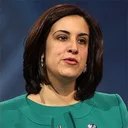
Migrants on Staten Island and Congestion pricing. Both are killin' the City.
Nicole Malliotakis U.S. Representative from New York
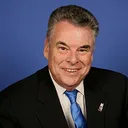
Mayor Adams got himself boxed in by migrant issues.
Peter King Former U.S. Representative from New York
Food, fun, & baseball. May 14 (Sun) 11:00 AM vs Long Island Ducks
Eric Shuffler Founding Partner, River Crossing Strategy Group
Update on the war in Ukraine. The Spring Offensive.
Tidal McCoy Venture Capitalist & Former Asst. Secretary of the Air Force
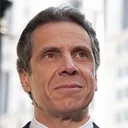
The migrant situation in New York is out of control
Andrew Cuomo Former Governor of New York
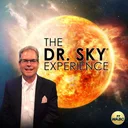
Is water more common in the solar system than we thought?
Steve Kates Space and astronomy broadcaster (Dr. Sky)