


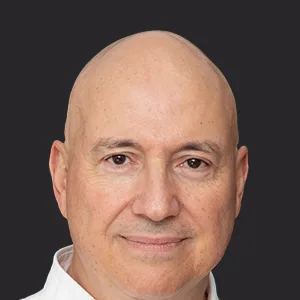
Dr. Peter Michalos WABC Medical Expert
New Research Offers Hope in the Fight Against Alzheimer's
Transcript
Automated transcript · uncorrectedSunday morning, Live long and prosper. Well. That is the sign of doctor Peter Michelos, And he has a new book coming and we’re going to be talking more about it and we’re going to give him a big book party, and doctor Peter, happy anniversary. I understand you’re away for your anniversary, but you’re still calling in to make sure
our listeners live long and prosper.
Tell us what’s up today, absolutely, John, Today we’re going to talk about a very important topic, and that is Alzheimer’s disease.
And Alzheimer’s disease is.
The most common form of dementia and unfortunately, one in nine people over the age sixty five get in the United States. And it’s a progressive, irreversible brain disorder that destroys memory, thinking, and the ability to carry out daily tasks.
And some of the earliest signs are we start seeing memory loss forgetting where your keys are, where you park your car, can’t reach, trace your steps, getting trouble getting dressed, and when you walk, actually reduced arm swing and even our posture as we lose our posture. That’s also one of the signs. So our mother’s told us to sit
up straight, stand up straight. That was also very important. So we need to use it or lose it when it comes to Alzheimer’s. That’s why things like socialization, crossword puzzles, having good friends, participating in church, synagogue must those things all help to keep the brain stimulated. And there’s different kinds of dementias. One of the types is called vascular dementia,
which you can get from strokes or if you have eye blood pressure that’s out of control for too long, your tiny blood vessels in your brain brain gets smaller and that also affects blood flow of the brain.
There’s another one called.
Louis body dementia, which are proteins that accumulate in the brain, and also trauma. Of course, the brain doesn’t like to see air, so whenever there’s any serious trauma to the brain, then you can also have problems. So the other thing that is fascinating is now the new relationship that they found with the gut microbiome and the gut brain axis,
the connection between the brain and the gut. And to start off, I’m going to mention some people call Alzheimer’s type three diabetes because you get insulin resistant, which basically insulin resistance you can use the glucose in your brain cells.
You starve the brain cells and you start forming inflammation and more plaques in the brain and the gut brain axis. They found that Ozzi the Iceman, this is just recent literature from last week, who’s fifty three three hundred year old mummy. They found that he had a great gut diversity inside. They were able those bacteria survived in the
ice for five three hundred years, and they found that they had a lot of diversity. But in Alzheimer’s patient in modern times and also in modern man, we don’t have a much gut diversity because of our soil, our foods, and they found that the Alzheimer’s patients had more of these bad bacteria called Shiia, shigella, and bacteroides, and they
had less of the good bacteria that make fatty acids that we need to function, and those are called Fromactes and view bacteria retalis. So we had more of some of these bad bacteria and even more problems in the Alzheimer’s patient, which is also I think fascinating, and it’s associated with leaky gut and when there are certain gut
bacteria that actually produce amyloid like proteins that may help form plaques in the brain. So this is new research that really our gut and what we eat plays a major role. That’s why the diet, the exercise, We’ve talked about the Mediterranean diet, the olive oil and how.
Important they are.
Now people say, what can I do to check to see if I have the risk? And yes, there is a gene called the APO E four gene, and you get one copy from your mother, one copy from your father, and there are different combinations, and if you have certain of the genes, like the a POE two gene, that’s
much rarer and that says you’re rarely going to get Alzheimer’s. But it’s also connected with cholesterol, so those people have a higher incident of high cholesterol problems. Then the APO three, which is the most common combination.
That variant says you have average risks for Alzheimer’s.
The a po E four shows that you have very high risk of Alzheimer’s and high risk of cardiovascular disease. So having that blood test can actually give you an indicator the other blood.
So on medicine is moving at warp speed.
Yeah, absolutely that we can detect these things, but basic things.
But I saw something else the other day that I mean, medicine were moving warp speed. They also had something for pancreatic cancer.
Yeah, no, absolutely that there is a medicine that extended the life a few months of pancreatic cancer patients.
And it was nice to see that.
Because of President Trump’s Operation Warp Speed, that people can apply and get access. So, for example, if something is in the middle of a clinical trial and it’s helping somebody, you can actually apply to the company and say, based on Operation right to try its gold. And he did that during Warp Speed, and you have the right to
try it, and people are trying it and they’re getting extension of life. So it’s giving hope to people, and it’s also adding to the collection of data showing case reports whether it’s really helping and helping these things get more rapid approval now. As far as vitamins that can possibly help in the early stages, OMEGA three, fatty acids
which you get from fish like salmon and nice sardines that are from the sea. Smaller fish have less toxins and mercury. The B complex vitamins are important to protect the brain vitamin E. It’s been documented that people with low vitamin D levels have more dementia. There’s a natural substance called kirkamin that’s been anti inflammatory, and there’s even
a company out there that’s working on this lyposomal intravenous Kirkerman and they claim that they’re helping glioblastomers and brain tumors to slow them down, which is also fascinating. And the interesting thing is on MRI, you really or cat skin.
It doesn’t show up early Alzheimer’s. It only shows up in the late stages where you get brain shrinkage.
So these are some.
Of the things to know about that you can do to help protect yourself. The exercise, the diet supplements and catching it early, having the knowledge you know what to do, and staying active. And hopefully there’ll be many new medicines now with all these great advances that are being coming out of the United States, that we’ll be able to
hopefully treat this and slow it down and help the many people who suffer from this condition.
Well, doctor Peter me hellos, thank you so much for coming on this Sunday morning, and enjoy being away for your anniversary and we’ll catch up with you again real soon.
Thanks John for always getting the truth out and sharing great health information with all our listeners.
Sunday, June 7, 2026

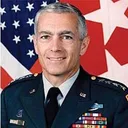
Why American Leadership Remains Essential to Global Stability
General Wesley Clark Former NATO Supreme Allied Commander
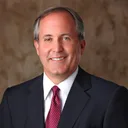
Bringing Texas Values and Conservative Leadership to the Senate
Ken Paxton Texas Attorney General; nominee for U.S. Senate

Securing the Border and Protecting Election Integrity
James Lankford U.S. Senator from Oklahoma
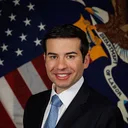
Strong Jobs Growth Signals a Bright Future for American Workers
Keith Sonderling U.S. Secretary of Labor
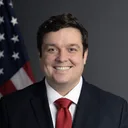
Putting American Safety at the Center of Foreign Policy
Tommy Pigott State Department Spokesperson

There Needs to Be Transparency and Reform Within the FBI
Nicole Parker Former FBI Special Agent; Fox News Contributor
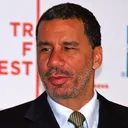
Political Division Threatens the Future of Democracy
David Paterson Former Governor of New York

A Vision for Reviving New York's Economy and Communities
Bruce Blakeman Nassau County Executive; nominee for Governor

Lessons From the Clinton Era for Today's Political Challenges
Hank Sheinkopf Political Consultant
Battery Storage Fire Raises Environmental Safety Concerns
Bonnie Brady Executive Director, LI Commercial Fishing Assoc.
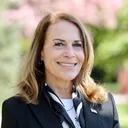
Running to Change the Direction of New York's Fourth District
Jeanine Driscoll Hempstead Receiver of Taxes; nominee for Congress, NY-4
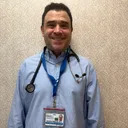
Bringing Preventative Healthcare to the South Bronx
Dr. Mason Pimsler Geriatrician, Lincoln Medical Center
Running in a Competitive Race for Florida's 14th District
Mike Beltran Former Florida State Representative; nominee for Congress, FL-14

New York's Housing Crisis Is Being Fueled by Bad Policy
Suzanne Miller President, Empire State Properties; WABC Real Estate Analyst
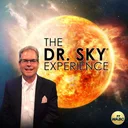
Blue Origin Explosion Delays NASA's Return to the Moon
Steve Kates Space and astronomy broadcaster (Dr. Sky)
The Take It Down Act Marks a Major Victory for Digital Safety
Lynn Shaw Founder of Lynn's Warriors

Dr. Peter Michalos

Healthy Eating, Stronger Immunity and the Science of Living Longer
Dr. Peter Michalos WABC Medical Expert
Limiting Sugar and Choosing Whole Foods to Support Healthy Aging
Dr. Peter Michalos WABC Medical Expert
Protect Your Skin From UV Radiation and Reduce the Risk of Skin Cancer
Dr. Peter Michalos WABC Medical Expert
Processed Foods and Mental Healthcare Failures Threaten Public Health
Dr. Peter Michalos WABC Medical Expert
