


Transcript
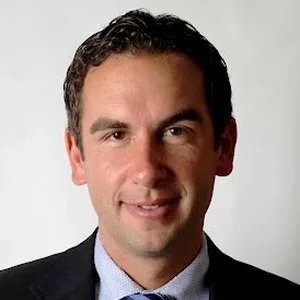
Automated transcript · uncorrectedSunday morning. Well, which way is New York City going? Well, a lot of people are scratching their heads, and we all love New York and we all pray for New York. But it’s today. Is Steve Phillip, and he is the new CEO of the Partnership of New York City, the most powerful I guess get together of the three hundred
top companies of New York. Well, Stephen Phillip, you were mayor, the forty ninth mayor of Jersey City. Now you’ve got a real challenge running the Partnership of the City in New York. Tell us everybody’s scratching their heads of where are we? We got a new mayor. This mayor is a socialist mayor, and you tell us you’re the business
person representing the three hundred top companies of our city.
Yeah, so, John, I’ll tell you that that I spent time in Iraq with the Marine Corps. I left after nine to eleven. I was working at Goldman Sachs in Lower Manhattan and decided to leave an enlist, went to Paras Island and out to Iraq with the first wave of the troops. So you don’t want tough guy so
I don’t know if I’m a tough guy, but I’ve been in tough situations, So this is a difficult situation. I think for the city. The city’s resilient, which is great. You know, everybody wants to be in New York City.
I think the CEOs would say, we’re in uncharted territory. What it means to have a socialist mayor a lot of things, he says, we don’t believe in, but we’re all rooting for the city and we want to see success.
So we’re going to see how this looks and where we can insert ourselves in a productive.
Way right now, you know, he just the real estate industry is a big industry in New York, and they’re quite concerned. The banking industry. There’s a big industry in New York. The the I guess see, hospitals. There’s a big industry in New York. The universities, et cetera, et cetera, et cetera, and a lot of them are worried. And
during the last two weeks when we had the three four weeks we had the nursing strike, the new mayor was advising the nurses, not the hospitals.
Yeah, well, okay, I think that there’s gonna be kind of growing pains where the mayor realizes, you know, how powerful and assertive he can be. I mean, I think the best place for him to have been there would have been brokering the deal, not on the picket line.
But the transition from being an activist to being an executive is going to be a little bit of a process. So you know, we’ll see where it goes. I’ll tell you we had an executive board meeting for the partnership this morning, so you know, twenty five of the most significant business leaders in the world happened to be obviously
domiciled here in New York City, and there’s definitely concerned. There’s no question about the business climate, about some of the rhetoric growing anti semitism on the extreme left, and the impact to quality of life throughout the city. And there’s more of a willingness to engage on advocacy and politics than there ever has been before because they recognize
that the city has gone in the direction that they’re not entirely comfortable within their employees. They represent eight hundred thousand employees here in New York and some of those employees many of those employees are very concerned.
And in addition the police, the new mayor has threatened to raise taxes significantly. He’s threatened to not allow the police department to hire an additional five thousand police officers that they that was in the system to hire. He has said to the Governor’s office that we need more money, etcetera, etcetera, etcetera.
What do you want to put it? What do you want to pick on? First?
I look, I will tell you that my interactions with the mayor, he is very smart. He’s in the weeds, which is a good thing, understanding the nuances of the budget challenges. And I think he sincerely wants to see the city succeed. And I think he’s navigating a very very tough political base that’s very good to get you elected,
but very tough to govern with those people on the extreme left. And I think that that’s a tough thing for him to navigate. So you know, our job is to help him be successful where we’re aligned. I don’t think the tax conversation is productive because we are going to be one hundred percent higher than New Jersey if
we take that proposal. New Jersey’s current corporate tax rate is eleven percent. If we do what the or has recommended, will be a twenty two percent. It’s one hundred percent over in New Jersey. So you know, people don’t have to move to Texas or Florida. They could just move a mile away, which is a real risk for the
economy here in New York. People want to be in New York. That you got to have an economy that’s competitive, and we’re getting close to a place that it isn’t understood.
You know. Again, I’ve been in New York for over seventy years, seventy five years. I’ve been in business in New York for over fifty five years, and I do have concern And I’ve talked to the mayor and I said, you know, and we have a relationship of at least talking, and you know, I’m willing to give him the first
hundred days and say, okay, show is what you’re gonna do. I mean, and I’ve offered my advice and if he’s interested in it, and we certainly don’t want a mass exodus out of New York because if he raises tax city extreme that they’re talking about, it’ll be a big number.
For instance, the budget. The proposed budget for New York City is one hundred and twenty seven billion dollars. When I ran from mayor in nineteen twenty thirteen was forty nine billion, and the whole state of Florida of twenty four million people is one hundred and ten one hundred and twenty billion. So you tell me.
I think that New York has some opportunities, but they’re politically tough, and I think that, you know, sometimes the most effective mayors are the one that are willing to do the tough things politically and make decisions that always aren’t popular with your base. If you think about as a starting point, you know, school funding in New York,
I think that most people would acknowledge that it’s flawed. They think that you’ve had two previous mayors that tried to address it. They weren’t able. But if you look at it pragmatically, you’ve seen enrollment drop from one point one million to a little bit more than eight hundred thousand while the budget has increased. I mean, we need
to have a conversation about it. I think the rental relief program, it’s an entitlement program, and I think most people would acknowledge that entitlement programs mostly happen at the federal level. It’s very very rare for a city to be driving an entitlement program like that. It costs billions of dollars a year. As well attentioned as it is,
you need to think about, you know, how to make that stuff effective from a cost standpoint. I mean, you could go on all day with some difficult decisions that are right in front of him, and you know, our job is to be supportive where we can and think about it’s not only taxes, because if people leave, you’re
going to have a bigger problem. And I would just say on the affordability crisis. You know, I think everybody recognizes there’s an affordability crisis. The best way to address the affordability crisis is has more jobs with better paychecks.
That is the really best way to address affordability. Because most people know that costs don’t come down. I could stabilize them. It’s very very difficult to drive cost down, but you need to increase wages and get people opportunities to make more money. And that means you have to have a good business climate so people hire and they
are better jobs.
When I ran from Malio. I think we have to look it up. I think it was two hundred and forty nine thousand employees in twenty thirteen, and now there’s three hundred and six thousand. So somebody has to scratch your head and somebody has to run a business.
That’s right. I mean, look, he has people like you. He has huge business leaders throughout New York City that are you know, global leaders that manage huge budgets, huge number of employees. So you know, he has a resource that hopefully he taps into in order to you know, manage the situation. I mean it’s a very very tough job.
He has three hundred thousand employees, like you said, over one hundred billion dollar budget. Difficult, and so you know, the hope is that he leverages some of the resources that are here because people want to see him succeed.
Stephen Up of Wow, Stephen full Up, thank you so much for coming on, and I look forward to talking very often. Thank you and trying to work together to solve our city’s problems because we all love our city.
I appreciate you. Thank you. Have a great day.
Sunday, February 22, 2026
Diplomatic Efforts Are Failing to Resolve Escalating International Conflicts
General David Petraeus Former CIA Director & Four-Star General
SEC. DOI Doug Burgum on the Accomplishments of President Trump's First Year in Office
Doug Burgum
Dr. Mehmet Oz Reflects on a Year of Republican Achievements
Dr. Mehmet Oz CMS Administrator
A Big Legal Victory After Ostrich Culling by Canadian Government
Katie Pasitney Spokesperson, Universal Ostrich Farms
Wild Horses Can Help Prevent Catastrophic Wildfires
William Simpson Founder, Wild Horse Fire Brigade
Executive Power Is Now Limited in Trade Battles and Amid Rising Global Tensions
David Paterson Former Governor of New York
Running for Comptroller to Fix New York's Fiscal Crisis
Joseph Hernandez Entrepreneur; nominee for New York State Comptroller
Bart Schwartz on His Role as a Federal Monitor Tasked With Overseeing the New York City Housing Authority
Bart Schwartz

The Growing Danger of AI Hallucinations for Children
Lynn Shaw Founder of Lynn's Warriors


Einstein's Life and the Universe's Most Powerful Particles
Steve Kates Space and astronomy broadcaster (Dr. Sky)

Steve Fulop

Tackling Housing Costs and Keeping Jobs in New York
Steve Fulop President & CEO, Partnership for NYC
New York City Business Leaders Confront Economic Competition and Safety Concerns
Steve Fulop President & CEO, Partnership for NYC
NYC Risks Losing Billions as Companies Shift Jobs to Texas, Florida and Beyond
Steve Fulop President & CEO, Partnership for NYC
New York City's Economic Future Depends on Business
Steve Fulop President & CEO, Partnership for NYC
NYC Businesses Struggle Under Rising Costs
Steve Fulop President & CEO, Partnership for NYC
