


WSJ Reporter Mike Colias
Electric vehicles apparently don't work in the cold…Chicago
Transcript
Automated transcript · uncorrectedWith us today is Mike Coyas and Easy with the Wall Street Journal Automotive Division. Mike, good to talk to you again, and we were calling you for an update. What the heck is going on with these electric vehicles.
I understand the problems all over the place, especially in Chicago with the when it gets extremely cold.
Yeah, well thanks John. Yeah, it’s been kind of a rough couple of weeks stretched for electric vehicles. I mean that was probably the highest profile problem was these chargers in Chicago. This is probably about ten days ago it got into the I mean this is full. I know you guys get cold weather up in New York, but
Midwest is a little different. You can get this below zero, and that’s what happened, and chargers don’t like that. The batteries don’t like that, and we saw really long lines. The problem is the chargers go more slowly to try to fill up the car, and then people the battery drains quick and so people need to stop to charge more,
and it created long lines at the Tesla charging stations in Chicago.
Understood and what happened with all these crises? The big question I would have, and I don’t know if you know the answer when the battery dies, does it come back to the living afterwards when it warms up, or does it you need a new battery.
You just need to get someone to come out and charge it like you would if you ran out of gas on the side of the road, which is more difficult to do with an electric car. I mean, I think the problem we’re seeing now is because there’s more of these on the road, you know, and here we
haven’t had a cold snap like this, I think in a couple of years, and so it hasn’t you know, we haven’t seen this in a while where there’s a bunch of people needing to charge at once. There’s more cars now than there were before, and a lot of people buy these cars without really understanding there’s something that
you can do with a tesla where you can kind of warm up the battery so it takes a charge more quickly. It’s like ready to go when it gets to the charging station. A lot of people don’t realize that and so it’s slows down the process. Then you get into a line, it’s just like one of you know,
the many sort of growing pains and inconveniences you’re going to have with an electric car to go along with the good stuff like not having a separate gas.
And now the other thing that we talked about the end of day when we tooked is uh. I understand in South Carolina, one of the towns bought five million dollars worth of electric buses and all of a sudden caput.
What have you heard anything much about it?
Well, I know that they’re they’ve it’s costing them a lot more than they expected to put these buses into service, and I you know, I think there’s there’s some reasons why some cities want to start to convert some of their fleets to electric. I mean, first of all, there’s or money flowing for this, so they can use some
of the money to buy buses. And over time it could mean that you are going to spend less operating your fleet because you don’t have to uh get gasoline, and electric vehicles should require less maintenance. The problem is there’s big upfront costs, even if you are getting federal subsidies.
You got to buy the buses and a bunch of chargers, and then there’s a bunch of unknowns. You know the city’s got to figure out Okay, well, how long is it going to take to charge these and uh, you know, what’s the optimal time? So I’m getting the best rate to charge. I mean, like what if what if we
need parts? You know, do we have the workers to to to service the electric buses? So?
I mean, just like the everyday person who goes to buy an EV’s got a lot of learning to do. I think, so so do the cities who are trying to introduce electrics into their bus fleets.
Now. Uh, you know, I look at the stock market, chicker and in the old fashioned way do we talk at chicka? Uh? And Uh? Elon Musk’s stock was like Tesla stock was almost like almost three hundred a couple months ago, and I looked at it this morning and was down to the very low two hundreds, like ten
or two six two or six? Uh? And is that basically because there’s a war going on on electric vehicles? Or what do you think it is?
I mean, that’s a big part of it, John, is the is the price war that really Elon Musk has started? Uh, and a lot of people and this has been going on about a year now, and for a while people are trying to figure out, okay, just you know, what does this mean, does this mean that there’s a drop
off in demand? And I think that that question has been answered. I think he is having a harder time finding buyers. That’s the only reason generally that you cut prices. And so I think that Tesla, even though it’s still you know, worth ten times the amount of GM or four to is you know, investors still think that there’s
a there’s a long way to go with electrics. In Tesla’s best positioned, they’re not immune to some of these problems that we’ve seen as people get further into the electric vehicle story and they realize that, you know, there’s a lot of inconveniences that you’ve got to put up with, and so, you know, we may have hit a bit
of resistance in terms of the number of people who are willing to take the chance and go out and buy an electric and I think that’s showing up in the stock price, which is down I think about fifteen percent this year and about it’s been cut in half since it’s it’s a record high. I think back in
like late twenty twenty one, early twenty twenty two.
I understood any update on if Hurtz was trying to get rid of twenty thousand Teslas. I mean, I can’t even scratch my head and say who they’re going to sell it to. And probably most of them or all of them need new batteries. Is any update on that yet?
Yeah, the batteries, I’m not so sure about. The batteries are probably fine because they’re relatively new cars. But I mean, Tesla or Herts was ditching a lot of these cars. I’m sure a lot of them are Tesla’s because they were more costly to operate than they expected and there wasn’t as big a demand from rental customers as expected,
and so they’re going to have a tough job with this because resale values of evs have really fallen off. Tesla’s price war has has contributed to that, and so you know, Hurts is going to sell these down over the next year or so, but they’re going to take some pretty big losses on their initial purchase of these things,
because you know, the values have really come off, and so they feel like they’re going to replace some of these with gas engine cars and that’s going to be a better setup for them. I mean, they’re still going to have some EV’s to rent, but not as many as they expected.
Uh, Mike Kadias, Wall Street Journal, anything else you want to tell the American people this Sunday morning.
I think we’ve covered it John on EV’s. You know, it’s not not been an easy start of the year. If you’re trying to sell EV’s. There’s been some bad publicity around them. There’s still a lot of believers out there.
I think this is going to tell us This year is going to tell us a lot as to where this technology is headed.
Well, thank you so much, and we’ll catch up with you again real soon.
Appreciate joh Thanks
Sunday, January 28, 2024

Mayor Adams needs to back the police in his battle with the City Council.
David Paterson Former Governor of New York

Sleepy Joe Biden needs to wake up and get a handle on the border.
Alfonse D'Amato Former U.S. Senator from New York

Interest rates on home loans affected home sales. New home sales soar.
Suzanne Miller President, Empire State Properties; WABC Real Estate Analyst

I support Mayor Adams backing the NYPD in his battle with the City Council.
Bill Bratton Former NYPD Commissioner

Stopped another migrant encampment on Staten Island.
Nicole Malliotakis U.S. Representative from New York

President Biden and loss of respect in the world.
Judge Jeanine Pirro U.S. Attorney for the District of Columbia

The #1 problem in America is the open Southern border.
Marsha Blackburn U.S. Senator from Tennessee; nominee for Governor
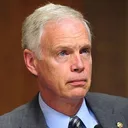
We have to make a deal on the border and immigrants.
Ron Johnson U.S. Senator from Wisconsin

Ukraine funding in House and Senate.
Admiral James Stavridis Former NATO Supreme Allied Commander Europe
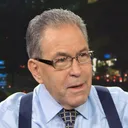
This week's guest: Tim King Managing Partner SVN CPEX Real Estate
Michael Stoler Real Estate Expert

Update on the full eclipse in April. Memorials for Challenger & Columbia.
Steve Kates Space and astronomy broadcaster (Dr. Sky)

High blood pressure. Sauna and exercise help longevity. Long Covid update.
Dr. Peter Michalos WABC Medical Expert