


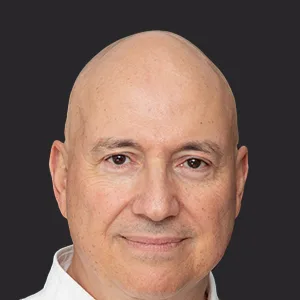
Dr. Peter Michalos WABC Medical Expert
High blood pressure. Sauna and exercise help longevity. Long Covid update.
Transcript
Automated transcript · uncorrectedWith us today is doctor Peter Michlos, a resident genius, an expert in, a historian, a medical expert, and also on how do we live longer? Doctor Peter Michillos, what is our discussion today.
Well, today we’re going to continue our talk about how to live longer and how to stay healthier. And today something very important is our blood pressure, and we’re going to start off by explaining what blood pressure is, and blood pressure is. Our blood travels through the tubes in our body called the arteries, and the force that the
blood pushes against the arteries is called the blood pressure, and it’s measured in millimeters of mercury, which is a measurement just like for weight, we have pounds. For blood pressure, we have millimeters of mercury of pressure. And if you have high blood pressure, that’s considered one forty or ninety or higher, and if you have severe blood pressure, it’s
considered over onein eighty, over one hundred and twenty. The top number is called the systolic, which is when the actual heart pumps and it’s pumping out that’s the maximum pressure. Now, when the heart is at rest, it’s the resting pressure and the blood vessels that’s called the diastolic pressure. If your blood pressure is high, you get symptoms like you
can get blurred vision, nose bleeds, shortness of breath, chest pains, and dizziness. So it’s very important to try to control blood pressure. What’s very interesting is the study that came out of Finland where they followed a couple of thousand people and they showed that saunas, interestingly, are very helpful for lowering blood pressure and reducing the chance of heart
attacking strokes. Now, what happens during a sedentary lifestyle. The blood vessels are very interesting because they have muscles in the wall and they can actually change the thickness and change the size of the tube or what’s called the diameter.
And what happens is when your sedentary and your blood vessels aren’t moving and you get cholesterol and plaques, the arteries get stick stiff, hardening of the arteries and narrowing. But when you go into the heat of a sauna, guess what happens to the blood vessels. They dilate. Why do they dilate because they want to cool the body off.
And that’s like a radiator system. Our radiator system is the dilation of blood vessels. That’s why we get red and flushed when we’re out in the heat. And the other thing that makes blood vessels open and close is exercise.
And the World Health Organization has come up with the number that thirty minutes five times a week, which is one hundred and fifty minutes a week is all you really need to keep your blood vessels healthy and to be healthier. And activities that don’t beat up your knees.
And you know, like sometimes people think marathon running and all that’s so great, but they found out that the marathon running, for example, can cause a lot of problems and arrhythmias. And I always remind people in ancient Greece, the guy who ran the first twenty six mile marathon, he ended up dying after running twenty six miles. So
things that are much safeer are swimming, walking, and dancing because you don’t really beat up your knees and your joints, but you make those blood vessels open and close, and the blood vessels can actually there like alive, they’re constantly moving.
For example, if we’re stressed out or we’re threatened by something, you get butterflies in your stomach. Why because suddenly all the blood is shunned away from your stomach and into your arms and legs so you can fight or flight, so you can be prepared for whatever stress or you need to run away. So it’s amazing how the blood
has muscles in it, the tubes and it can actually shift its way around. The good news is that you can control blood pressure with things like a low sodium diet trying to keep our weight under control, and there are medicines that help control blood pressure as well. And recently in the literature and the anti aging literature, because
we’re so interested in that area, they found that medicine is called ACE inhibitor, which block the ACE receptor which is located inside the blood vessels and in fat cells, and it basically when you block it, it lowers the blood pressure. And they found that not only does it low of blood pressure, but they’ve found that that class
of medicines also is anti aging and longevity. So amazing news happening in the world of anti aging, and now our audience understands what high blood pressure is and things that you can do to control it, and the importance of things like sauna, which is very popular in places like Finland, Europe and other places. And I think that’s
something to be considered because it’s basically a way of exercising your blood vessels without having to actually go and exercise them.
The sauna. Well, so if it’s a hot sauna is doesn’t it take out moisture out of your system if you have too much watering your system?
Yeah, well it makes you sweat, and it you lose some of the toxins that might be inside our body too. And we sweat, we actually lose some of the toxins. So it’s actually a very healthy thing to once in a while break a little bit of a sweat, because when the.
Body minutes a week or how many minutes a day on sauna.
The saunas are fifteen minutes three times a week in the study, and they found that that was very beneficial and those people at a lower risk of heart attack and strokes. And for regular exercise it’s thirty minutes five times a week, and that exercise can be again walking, briskly, dancing, swimming is great because you don’t beat up your joints,
you don’t end up with the problems hit problems, and that’s one of the best exercises that we can do as humans, yes.
And don’t do marathons and not healthy.
And they’ve done well in the opinion also of the of the research and the literature. Always consult your doctor before you start any exercise program. But there’s more atrial fibrillation, which is a cardiac arrhythmia in marathon runners, and that’s why people are starting to relook at these prolonged, sustained exercise.
We’re really designed for short bursts of strength. For example, we would chase by a faber tooth tiger in ancient times. We can sprint, we can run, but we’re not really designed to beat up our knees and be running for two hours. It’s just not natural for us.
Doctor Peter Mihalos, thank you, live long and prosper as they used to say, and God bless you and noble to catch up again real soon.
Thanks for always getting the truth out and helping our audience live longer and stronger.
Thank you so much.
Sunday, January 28, 2024
Electric vehicles apparently don't work in the cold…Chicago
WSJ Reporter Mike Colias

Mayor Adams needs to back the police in his battle with the City Council.
David Paterson Former Governor of New York
Sleepy Joe Biden needs to wake up and get a handle on the border.
Alfonse D'Amato Former U.S. Senator from New York

Interest rates on home loans affected home sales. New home sales soar.
Suzanne Miller President, Empire State Properties; WABC Real Estate Analyst

I support Mayor Adams backing the NYPD in his battle with the City Council.
Bill Bratton Former NYPD Commissioner

Stopped another migrant encampment on Staten Island.
Nicole Malliotakis U.S. Representative from New York

President Biden and loss of respect in the world.
Judge Jeanine Pirro U.S. Attorney for the District of Columbia

The #1 problem in America is the open Southern border.
Marsha Blackburn U.S. Senator from Tennessee; nominee for Governor

We have to make a deal on the border and immigrants.
Ron Johnson U.S. Senator from Wisconsin

Ukraine funding in House and Senate.
Admiral James Stavridis Former NATO Supreme Allied Commander Europe

This week's guest: Tim King Managing Partner SVN CPEX Real Estate
Michael Stoler Real Estate Expert
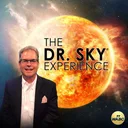
Update on the full eclipse in April. Memorials for Challenger & Columbia.
Steve Kates Space and astronomy broadcaster (Dr. Sky)
Dr. Peter Michalos

Limiting Sugar and Choosing Whole Foods to Support Healthy Aging
Dr. Peter Michalos WABC Medical Expert
Protect Your Skin From UV Radiation and Reduce the Risk of Skin Cancer
Dr. Peter Michalos WABC Medical Expert
Processed Foods and Mental Healthcare Failures Threaten Public Health
Dr. Peter Michalos WABC Medical Expert
