


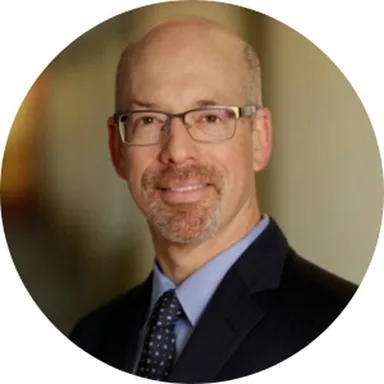
Andrew Rein President, Citizens Budget Commission
NYC Fiscal Crisis Is Driven by Overspending
Transcript
Automated transcript · uncorrectedWell, we live in the city of New York. We live in the state of New York. What’s going on with the budgets? Who better to ask than Andrew Rayne, and he is the president of the Citizens Budget Commission. Well, Andrew, are we going to be okay?
You know, I think we are going to be okay. The question is is there pain that is unnecessary? Self created fiscal crises and service crises? And that really depends on the decisions that are made in Albady in here in New York City.
And when do you estimate that these final budgetss be finally spoken for?
Listen? The state budget is late for the seventh year in a row. It should have been done by April first. Do I think it’ll be done in the next two weeks? I certainly hope. So it’s the people, it’s our elected officials job to do it. The governor has inserted into the process three policy proposals, and listen, this is important stuff.
And the challenge in Albany is you can’t get hard decisions made without the cudgel of the budget hanging over. Everyone said, since you want to two changes for auto insurance reduced costs, changes for environmental review, to increase housing, changing the climate goals, to make sure that they’re affordable, to meet them. That it’s all bound up together. I
actually agree with her on these three things. But hopefully they can use this time finish both the policy and then use the time to actually produce a budget that actually helps New York in the future and doesn’t destabilize it.
And there are certainly concerns about adding spending to our already unaffordable spending base, and concerns that they might raise taxes.
Now two things are two or three things. Number one, a lot of people are really annoyed at this pen to tear tax, taxing second homes. What do you hear? Is that really gonna happen?
Listen, the governor’s proposed that, the Mayor’s on board. We’ve heard some of the other leaders say it’s a good thing. I think if the first point you have to know is the city should be closing its budget gap. It is a spending problem. Revenues are very strong. It’s hard to really turn around this battleship. But the mayor should
be closing this by getting rid of spending that doesn’t help New Yorkers and making government efficient and so we wouldn’t need more revenues if we put in the hard work. And it is hard, you know, I grant him that put in the hard work to make that happen. He’s talked a lot about excellence in the governments. He should
certainly focus on that. I love it when he talks about that. That’s where the focus should be. So it is not needed. But the question here is will it move forward and what impact will it have? You know, it is difficult to implement, but some people think it’s imp It’s not impossible, but it’s such a radical way
to value properties. And when we make that kind of radical change, it will be challenged more and so there’ll be more challenges to assessments. We might not be able to get the same revenues that we expect. And of course, behavioral change like it did in Vancouver. Vancouver implemented if he had a tear tax. You know, this is for
absentee owners and and basically people said, oh, I’m going to make it a rental property, and the revenue wasn’t what they expected. And so far we haven’t seen any analysis that shows sure, we have a goal of five hundred million in revenue, but we don’t know what we’ll do to the housing market. And these people listen, they
pay high property taxes. They pay you know, they help support building workers in their buildings. And the question is who would move in there instead? And would they be using more services to offset that that revenue. They might not be, but no one has put forth analysis to show that it is beneficial and the impact on the
on the on the market that would would be beneficial. So I’m worried about it’s very attractive to tax very wealthy people who don’t live here. I get that the question is first is not needed and second will it have a negative impact that people aren’t anticipating.
Wow, I understand that anything else you’re going to be recommending to the Mayo and the governor. And how does more bodies and SMP field about things. They were a little bit upset the last few months.
Well, here’s when the mayor came forth. He basically as law. He was very transparent in his budget and said there’s a problem, which we congratulated for. Fake budgeting is not helpful to the people in New York. So kudos to the mayor for that. But he basically said he’d rather raise personal income taxes on wealthy New Yorkers and business taxes.
But since he doesn’t have that power, he’ll raise property taxes and raise the recession reserves. The councils push back on that refreshingly, saying we should be shrinking spending. Now.
The question is how do your shrink spending? Because that is the right way to do it, because certain taxes hurt our competitiveness and can potentially drive away make us less attractive to wealthy individuals who pay for our services and businesses who employ New Yorkers, and property taxing base makes us less affordable. So how do we put our
shoulders to the wheel and focus on getting those spending reductions? And it is hard. You go into the agencies, as he’s already doing, and you turn over every rocky say is it worth it, let’s keep it, Let’s make it better.
Is it efficient, Let’s make it better. Is it not worth it, Let’s get rid of it. That takes time, that takes political will, that takes managerial skills. That’s where the focus should be. But listen, he also needs all the needs help. He should. They should relieve him of this school. The mandate to reduce class size in schools.
That’ll save him over a billion dollars. He should be freezing the housing vouchers at nation leading sixty five thousand vouchers. He doesn’t have to take any vouchers away from people, and still he can save three hundred and thirty million next year three billion over the next four years. There are lots of ideas. It is hard. We need to
support him in doing that, but he needs to be just as ambitions as making government excellent a high quality as he is about making New York affordable.
Andrew ryan Well, President of the Citizens Budget Commission, thank you for the update. Thank you all New Yorkers are listening to you right now, and we pray for the best for our the city and the state that we love.
And God bless you and God bless America.
Thank you, John and the Sulfae for New York.
Sunday, April 26, 2026
GOP Agenda is Focused on Inflation, Energy, and Government Efficiency
Steve Scalise House Majority Leader

Progress on Combatting Crime, Cartels and National Security Threats
Christopher Raia Deputy Director, FBI

New Federal Tactics Target Cartels
Frank Tarentino DEA Associate Chief of Operations, Northeast Region
Protests and Rhetoric Could Drive Investment Away From New York
David Paterson Former Governor of New York
Sen. Murphy's Actions and National Loyalty
Benjamin Proto Chairman, Connecticut Republican Party

Transit Planning Failures Ahead of World Cup
Christine Hanlon Chair, New Jersey Republican Party

Tax Hikes Could Drive Away NYC's Top Taxpayers
Steve Fulop President & CEO, Partnership for NYC

Mamdani Faces Veto Fight and Fiscal Strain
Craig McCarthy City Hall Bureau Chief, New York Post

Explosives Discovery on Long Island Raises Broader Security Concerns
Jake Novak Political & Economic Analyst, CNBC Columnist

Greek Independence Parade Celebrates Shared History With America
Louis Katsos President, EMBCA & Construction Executive

Historic Reenactment to Honor Washington's First Inauguration
Joni Bryan Founder, 917 Society

Artemis IV Targets Astronaut Return to Moon by 2028
Dr. Weiping Yu NASA Physicist & Spacecraft Subsystem Manager
The Stoler Report with Michael Stoler: Chris Bradicich
Michael Stoler Real Estate Expert


Incoming Fireballs, a Super El Niño and the Power of Our Sun
Steve Kates Space and astronomy broadcaster (Dr. Sky)

Demonstrations on Capitol Hill Showcase Demand for Child Safety Legislation
Lynn Shaw Founder of Lynn's Warriors

Wall Street Faces Volatility as AI Investments Reshape Markets
John Terrett WABC Financial Analyst
Andrew Rein

NYC's $125 Billion Budget Faces Long-Term Risks
Andrew Rein President, Citizens Budget Commission
