


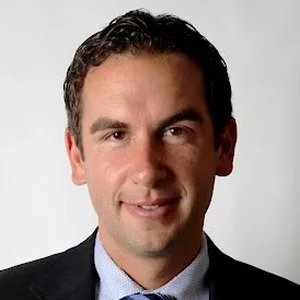
Steve Fulop President & CEO, Partnership for NYC
Tax Hikes Could Drive Away NYC's Top Taxpayers
Transcript
Automated transcript · uncorrectedSunday morning. Well with us today is Stephen Philip and he’s the president and CEO of the Partnership of the City in New York. Well, they have the three hundred largest businesses in New York City, and Steven can give us an update what the heck is going on. I pray we don’t lose any more businesses in New York.
Well. Look, I mean on the good side is the fact that New York City is tremendously resilient, whether it’s COVID or nine to eleven or you know, the financial challenges of the late two thousands, it’s a resilient place.
You know.
The challenge is that you’re in a tough environment that’s very, very fragile, and I think that we need to be careful. There have been some signs and indicators that the job market is not as strong as it could be, and you know, we don’t want jobs to be leaving here and then certainly businesses to be leaving. So I think
we need to be very careful with our policies. John, That’s where we are right now, and that’s what we’re focused. On, understood.
And it was a report that we lost one thousand businesses because of congestion pricing.
I haven’t seen that report yet. Have you seen it?
So I haven’t seen I’ve heard about it. And what I would say is that I think that there are a lot of things happening simultaneously. I think that you have concerns about tariffs, you have a tax environment that’s very, very tough. You have technology AI that’s changing the workplace, and then you have regulations which people point to, whether
it’s congestion pricing or other similar things that put burdens on businesses. And I think all those things come together to kind of create the dynamic that we have today. When you look at the twenty twenty five employment numbers, they were fairly weak for New York City, and I think that these are kind of you know, yellow flashing
lights to be careful. And that’s the hope that you know, our elected leaders do that understood.
What else do you want to I mean, I have businesses in New York City and I worry about losing more and more customers.
Do you understand this piano tear tax?
Yeah, here’s what I would tell you, right, And we came out with a statement and we thought about it, and they think it should be careful. I mean, I know that the politics of the far left would say tax the rich no matter what. But if you take a step back and you think about it practically, and
you have somebody that buys a house or an apartment that is never going to be affordable housing, so they’re not taking any existing inventory from affordable housing and paying a huge amount in taxes and fees already. But they never call nine to one one. They don’t send their kids to the school system here, they don’t put any
trash in the sanitation department, they don’t use any of the city resources. That in many ways is a good customer. The best way to think about it, John, is like a gym membership. Gym membership, the best type of customer is the guy that signs up January second.
Takes you the full amount and never comes.
And never comes. Those are the best customers because they subsidize everybody else. So what we’ve said is that you need to be careful with how you position this because you want people putting money into the city that don’t use any resources. And then the second thing that we’ve said, which I think is totally reasonable, and I hope that
the governor and the mayor listen to this is that there’s some reasonable carve outs that should be happening. Like, for example, if somebody has a primary residence in Westchester or a primary say Buffalo even and they’re a New York state taxpayer, why should they be penalized if they have a second apartment here in New York?
You know, how about my how about my my home in Uh? There you go? There you go, Am I gonna get? Do I get double penalty?
Well? There you go. That’s exactly. That’s the same thing.
And they determined and how much the penalty is or whatever.
They taxes, Well, they haven’t released that yet. And the other thing that we were concerned about, you know, is that the video was done in front of Ken Griffin’s apartment and they used him as a highlight. And it’s obviously I don’t think appropriates a highlight an individual with regards to this stuff, especially in that situation because you know, Citadel,
which is the company that he owns, is building a new building in New York City here five billion dollars with a B invested in New York City. He’s already donated a billion dollars in philanthropic donations throughout New York City, and he’s hiring thousands of people. So even if his primary residence is not New York City, every single day,
I would say, why do we want to alienate somebody that’s investing billions of dollars to make New York City better for everybody? And so I just think we need to be careful with those sort of things, because, like we said, initially, it’s a very fragile moment in the New York City economy.
I understood anything else you want to tell.
People, I think there’s a lot of reasons also to be optimistic. I mean, like I said, New York City is still a very desirable place for young people to you know, want to come to when they graduate college and live. I think that, you know, from the partnership standpoint, we’re hopeful that we could find some really important common
ground to work with the administration on. Even if we don’t agree on every issues on taxes and whatnot, there are things around environmental regulations, we could work together on housing policy, we could work together on things that impact day to day life here in New York that I think, you know, whether you’re on the left or the right
or the middle. You should be able to agree that these are important things to you know, address the affordability crisis. So that’s kind of where our focus is right now. Once we get through the state budget.
Steven, you’re to lead.
Lobbyist, lobbyist or partnership for all the major banks, and a lot of them. I’m moving a lot of people to Florida, Texas.
Yeah, so the same.
I haven’t seen that stop.
So you know, people are opening or talking about opening second headquarters elsewhere. I mean, people are always going to have a presence here in New York City, but the question is where do they grow, where do they invest, and where do they hire additional people. So you know, the way I like to frame it is that, you know,
listeners should ask themselves when a company opens the second headquarters, does their philanthropy in charitable giving double or do they get divided between two headquarters? And I think most people would say, obviously, it gets divided between two headquarters. And that’s not a good thing for New York City to be sharing that with anybody. So every time you see
a company saying we’re going to open a second headquarters, you should be concerned because it’s not healthy for New York City to lose jobs, and I think that most people want to stay here. We just kind of make sure that we’re competitive with everybody else.
Thank you for coming on, thank you for giving us the facts, and please keep all New Yorkers in full.
We will talk to you soon. Thank you,
Sunday, April 26, 2026
GOP Agenda is Focused on Inflation, Energy, and Government Efficiency
Steve Scalise House Majority Leader

Progress on Combatting Crime, Cartels and National Security Threats
Christopher Raia Deputy Director, FBI

New Federal Tactics Target Cartels
Frank Tarentino DEA Associate Chief of Operations, Northeast Region
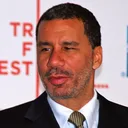
Protests and Rhetoric Could Drive Investment Away From New York
David Paterson Former Governor of New York
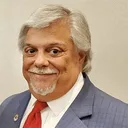
Sen. Murphy's Actions and National Loyalty
Benjamin Proto Chairman, Connecticut Republican Party

Transit Planning Failures Ahead of World Cup
Christine Hanlon Chair, New Jersey Republican Party

Mamdani Faces Veto Fight and Fiscal Strain
Craig McCarthy City Hall Bureau Chief, New York Post

NYC Fiscal Crisis Is Driven by Overspending
Andrew Rein President, Citizens Budget Commission
Explosives Discovery on Long Island Raises Broader Security Concerns
Jake Novak Political & Economic Analyst, CNBC Columnist

Greek Independence Parade Celebrates Shared History With America
Louis Katsos President, EMBCA & Construction Executive

Historic Reenactment to Honor Washington's First Inauguration
Joni Bryan Founder, 917 Society

Artemis IV Targets Astronaut Return to Moon by 2028
Dr. Weiping Yu NASA Physicist & Spacecraft Subsystem Manager
The Stoler Report with Michael Stoler: Chris Bradicich
Michael Stoler Real Estate Expert


Incoming Fireballs, a Super El Niño and the Power of Our Sun
Steve Kates Space and astronomy broadcaster (Dr. Sky)
Demonstrations on Capitol Hill Showcase Demand for Child Safety Legislation
Lynn Shaw Founder of Lynn's Warriors

Wall Street Faces Volatility as AI Investments Reshape Markets
John Terrett WABC Financial Analyst
Steve Fulop

Tackling Housing Costs and Keeping Jobs in New York
Steve Fulop President & CEO, Partnership for NYC
New York City Business Leaders Confront Economic Competition and Safety Concerns
Steve Fulop President & CEO, Partnership for NYC
NYC Risks Losing Billions as Companies Shift Jobs to Texas, Florida and Beyond
Steve Fulop President & CEO, Partnership for NYC
New York City's Economic Future Depends on Business
Steve Fulop President & CEO, Partnership for NYC
NYC Businesses Struggle Under Rising Costs
Steve Fulop President & CEO, Partnership for NYC
