


Transcript
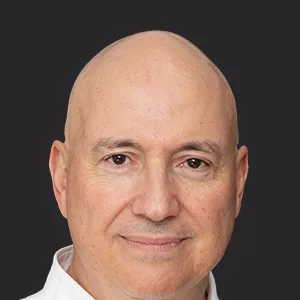
Automated transcript · uncorrectedWith us today is our in house genius. We have doctor Peter Mihalos on how do we live longer? And we all want to live longer. Doctor Peter Mihalos, what’s on the on the what topic are we on today?
Well, today we’re going to talk about a fascinating topic, which is COVID and its associations with clotting as well as how stress initiates clotting. And according to the Cleveland Clinic, COVID has really caused a lot of HAVOC and eighteen point eight million adults in the United States have a syndrome that’s called long hold COVID and these symptoms when
they last over twenty eight days, they cause long hold COVID and they estimate that twenty five to forty percent of these people are not able to carry out their normal daily activities. And we have a record number of people who are applying actually for disability because of this, and it’s reducing quality of life and people are showing
up unexplained shortness of breast, fatigue, sleep disorders, migraines, got motility disturbance, and unusual sudden rapid heart rate. So one of the most disturbing things that’s happening with COVID. People are these brombo and bott complication, which means clots and one of these clots that can form in people’s legs, in people’s brains. For example, in Oxford, study found that
thirty nine and a million people who got COVID ended up with a vein thrombosis and that can be in the brain and other parts of the body. And when one of those slips away in the legs, it goes up into the lung and that’s called a thrombo embolism that goes to the lung of pulmonary embolism, and that’s
seventeen percent more common in people who’ve had COVID. And a study in Dublin, Ireland from the Royal College of Physicians finally did an analysis and they found that there is a protein called a bond willebroe On clotting factor protein and they found it to be much higher in people who had COVID versus the blood they tested from
people who never had COVID. So what’s interesting about this is, you know, most viruses, like a cold, it come and goes, but there are viruses that linger and have side effects. For example, we all heard about the epstein bar virus and how it’s linked to lymphoma and chronic fatigue. We’ve heard about hepatitis C, how it lingers in the body,
causes the ross of the liver and can lead to liver cancer. We’ve heard about the HIV virus and now it leads to AIDS and a long term immune problem. So the other issue is that the spike protein is probably responsible in the attack against the spike protein with people who get COVID also vaccinated people. According to this
information produced at Oxford, four in one million people who get COVID shots also get clots. But again those who get COVID thirty nine out of a million. It’s much higher, but people who are getting vaccinated, and there are risks to all vaccines, but that’s the statistics, it’s for in a million. The other finding that in the Cleveland Clinic
newsletter recently described was that vaccinated and unvaccinated people are just as likely to catch COVID nineteen, but they don’t get as thick the people who’ve been vaccinated. And then the other part of this clotting issue, it goes with another topic of stress, and they found that when the blood pressure increases, you get narrow vessels, different blood vessels,
poor blood flow, and you get more clots. And what happens is we’re designed genetically to have something called the fight or flight mechanism. When our adrenaline pours out when we’re cornered like a rat, when we’re scared and we’re constantly stressed, our adrenal glands put out a chemical called adrenaline and other clotting factors. Why, because we’re in anticipated
being attacked, whether it’s a saber tooth tiger or some ancient animal that was chasing us, or we’re being threatened with a gun, we put out all these chemicals for increased clotting so that we anticipate that we might be bleeding.
And that’s one of the reasons why high stress levels also increase and turn on that cascade of clotting. So we’re learning more about the clotting cascade, and that’s why many people who get COVID or those who are hospitalized, they finally learn that it is a clotting disease and that you need to protect them with blood thinners. And
doctor Dostiopos at Stonybrook was one of the first people who published that article in jama and they were able to save a lot of people by giving anti inflammatories like texamethasone and blood tinners to help save many lives.
So we’re learning a lot more. And now that the new news is that there is a new version of covid cold arcturus, which is actually increasing dramatically in India, doesn’t seem to be as deadly, but you know it’s not over yet. But as we learn more and we learn more how to protect people and try to help people,
and we need to learn more about this clotting cascade and understand it better for other future viruses and pandemics.
Wow, and there’s so much going on, doctor Mihailos, I mean, where does it stop.
Well, I think the more advances that we get, the more we’re learning, the more we’re understanding. And as the ancient Greek said, the more we learn, the more we know, the more we realize how much we don’t know. And I remember the pharmacology textbook used to be one inch thick thirty years ago, and now the pharmacology textbooks are
five inches thick. So we’re learning more, and we’re learning more about the human condition, and soon I think that aging will be labeled a disease, and once that happens and start slowing down the aging process, we’re going to see a lot less death from cancers and viruses, and we’re going to make the population healthier. And as a society,
I think we’re going to save a lot of money once we start addressing aging as a disease instead of waiting for things to happen.
Understood, what else would you like to It’s Sunday morning. I’m drinking my black cup of coffee right now because I don’t put any I don’t put any of those sweeteners in it. I don’t put any milk in it.
I mean, there was another story would additional sweeteners cause additional problems in last week’s newspapers and maybe you should do some research on it?
Yeah, well absolutely. One of the things that happens is when you take an artificial sweetener and you put it in your mouth and your tongue senses the sweetness. It tells the brain and the body to start shooting out insulin and anticipation of a sugar load. And then the other problem is some of our good bacteria needs certain nutrients,
and these artificial sweeteners they’re basically blacks because they don’t supply any nutritional value, and it confuses our gut bacteria. So there is a disruption in the gut microbiome and we don’t really fully understand long term what effects it has, but it contributes to what’s called the metabolic syndrome. So some people think that they’re going to get thinner by
taking artificial sweeteners, but I think that it disrupts the entire balance of the gut microbiome. And we’ll be talking more about that on WABC and how our gut is basically our second brain.
I agree with you one. There’s been some research that those artificial sweeteners create an artificial brain communication, and I think it’s a great thing to talk to our to talk to our listeners about in the future because they think they’re doing themselves good by taking those artificial sweetness.
Yeahly, and some of the chemicals that are found in sodas doing what they do to the teeth and dental hygiene, and we’re also learning that dental hygiene. For example, people who had their teeth cleaned regularly, like four times a year, their ce reactive proteins, which is an inflammatory marker in the blood test went down, So all these different things
they affected, and these different things affect the microbiome of the mouth of the gut, and we’re learning a lot more and we’re going to keep reporting and updating our audience on WABC.
Well, our audience is going to live so long they know that, we’re all going to be happy. Thank you so much, doctor Peter me
Hellos, thanks for always getting the truth out on the Cats round Table.
Sunday, April 16, 2023

No progress on the budget. Side-tracked by Judge selection.
Zach Williams Transportation Reporter, Bloomberg Government

The State's in a mess. Left-wing judges and no budget.
Ed Cox Chair, NY Republican State Committee
Happy Greek Orthodox Easter.
Fr. Alex Karloutsos Greek Orthodox Protopresbyter and Former Vicar General
Crime and the Justice Department.
Peter King Former U.S. Representative from New York


A lack of respect for U.S. leadership has led to a world predicament.
Newt Gingrich 50th Speaker of the House
The EPA is overreaching with electric vehicle mandates.
Former EPA Admin. Andrew Wheeler

World is facing a new alliance, Saudis, Russia, and China.
Mike Pompeo Former U.S. Secretary of State


Interviews: Robert Knakal, Founding Partner Massey Knakal Realty Services
Michael Stoler Real Estate Expert
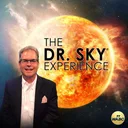
Japanese asteroid contained the building blocks of life.
Steve Kates Space and astronomy broadcaster (Dr. Sky)
Dr. Peter Michalos
Advances in Lung Cancer Detection and Personalized Treatment
Dr. Peter Michalos WABC Medical Expert
Healthy Eating, Stronger Immunity and the Science of Living Longer
Dr. Peter Michalos WABC Medical Expert
Limiting Sugar and Choosing Whole Foods to Support Healthy Aging
Dr. Peter Michalos WABC Medical Expert
Protect Your Skin From UV Radiation and Reduce the Risk of Skin Cancer
Dr. Peter Michalos WABC Medical Expert
