


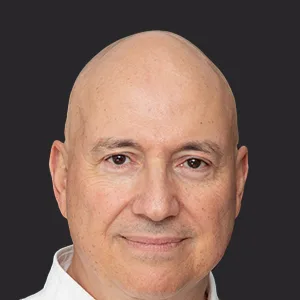
Dr. Peter Michalos WABC Medical Expert
New treatment for cancer and diabetes. Tips for health span.
Transcript
Automated transcript · uncorrectedWith us this morning is doctor Peter Milos, and he’s he’s our in house genius in history and medicine, many many other things. And he’s got some great ideas this morning, and you’ll make us live longer. Doctor Milos.
Good morning everyone on the Cats round Table. And today we’re going to be talking about the exciting field of regenerative medicine. And there’s been some great strides that are happening and targeting certain types of cancer and some exciting work being and diabetes and where regenerative medicine is basically a new specialty where people will try to restore and
replace bad cells. And basically, we spend four trillion dollars a year in the United States treating chronic diseases. So if we can make people better earlier on and before it becomes a chronic disease a society, we’ll have a more productive society and we’re going to save trillions. As we just heard in how Healthcare, one example is in
treating a blood cancer called leukemia and lymphoma in our lymphatic system as a type of cancer. And what they did is we have these things called T killer cells which can go after bad cancer cells and they’re taking out your own T killer cells and basically programming them like a robot to go after your specific tumor and cancer.
So T cells are programmed and they go after the cancer that you have in your body, whether it’s leukemia, lymphoma. And actually one of our friends wives was just treated with that and she was cured and our blood tests are coming back normal and she’s doing great. And that’s a very new and very exciting way to treat cancer
patients that is available in the United States. And another thing is diabetes. They’re taking healthy insulin producing cells from healthy volunteers and they’re trans landing them into diabetics and basically they’re working on and we’re very close to almost curing diabetics by taking care of their cells that are bad and replacing them with good cells that will produce
insulin and control the blood sugar levels. So that’s another exciting thing that’s going on. Peptide therapies are another thing being used in regenerative medicine, but interestingly, just this past week, the government has been trying to regulate it and regulating doctors who prescribe these things. Peptides are these amino acids that are signaling proteins and basically they act like hormones
and they tell the body what to do. The first peptide was insulin that was approved in the United States, and it tells the body, hey, put out some more insulin, so you can bring the sugar and food into the cells.
But what’s happening in that field we’ve seen now with these new weight loss drugs an example of a peptide, and we’re going to see a lot more of them. They even have one they’re working on for eyes and retina, but it’s very highly regulated right now in the United States, and that’s why so many people have to go abroad
for other forms of regenerate medicine like THEM cells example, where you can take your own fact grow your own THEM cells, or you can take umbilical cord stem cells not this is embryonic, and you can transfer that into people’s bodies and those stem cells find their way and heal various organs, whether it’s knees, hips, shoulders, and we’re
going to be seeing a lot more of that throughout the world, and hopefully it’ll be approved in the United States as more studies are being done and they get FDA approval, and that’s another exciting area. But the most important thing is you have to stay as healthy as possible so you can benefit from all these new things.
And that’s why we always talk about the importance of getting blood tests. And the thing I’m going to finish off with today is one of the common problems that I’ve been hearing about a lot more, but a lot of doctors don’t test for it, and we’re both familiar with it, is the heavy metal toxicity like mercury, arsenic, cadmium, lead,
and you and I have both been through that. When you get a high level of a certain heavy metal, you get a letter from the state saying, hey, this is high. So that’s something where people can have problems with anxiety, elevated heart rate, tingling in their face, and they actually do have an effect these high heavy metals,
but there are treatments. But it’s important everyone at least once in their adult lifetime should ask their doctor please do a heavy metal screen on me to check for these things. And we’ve had a few people, and one person in particular in our breakfast that was having all kinds of symptoms and heard you and I speaking about it,
they went and got the test and they had very high mercury levels and then once they retreated, they got better. So avoid eating fish that are very large, like swordfish and tuna in high amounts because the bigger the fish, the longer it lives, the more mercury it accumulates. So those are some of the things you can do to
protect yourself and try to avoid exposure to heavy metals and you know, get the rest of your blood tests and stay healthy so that the future of regenerative medicine will be there for you in the next few years and we’re going to see people living longer, definitely and living better, healthier quality of lives.
And then what we talk about every week, it’s good to remind people the go on that sixteen hour diet or to say eighteen hours, and also if you don’t, you eat the rite foods and you take care of your second brain, which is your stomach, viruses and your gut.
And what that means is when you’re not eating during those sixteen hours eighteen hours, your cells are doing a repair mechanism and the rest of your body.
Absolutely it’s called otophagy, going after dead and dying cells. And now we know eighty percent of our immune system is in our gut, and interestingly, are white blood cells that fight infection. Seventy five percent of them just hover around the intestinal area because that’s like a border wall to prevent bad things from entering our system. But it
turns out our gut is very important and also our destiny is only we used to say it’s all your genes. It’s twenty percent or genes. It’s like your new car, and eighty percent is how you take care of that new car or that set of genes. And that’s why people need to consult with their doctors before they do anything.
And keep listening to WABC for more exciting health tips on how to stay healthier and live longer and have health span.
Doctor Peter me hellos, thank you so much, and thank you for keeping our listeners listening longer and in healthier and long and having a longer life. And God bless you and God bless America.
Thank you, Thank you, John, and thanks for always getting the truth out on the Cats round Table.
Sunday, October 22, 2023


Rents in the City record high. Talked about the housing market in New York City.
Suzanne Miller President, Empire State Properties; WABC Real Estate Analyst
It's Halloween at the ballpark all week.
Eric Shuffler Founding Partner, River Crossing Strategy Group

Mayor Adams announces record job growth in the City.
David Paterson Former Governor of New York

Have never seen anything like the mess in the Congress.
Peter King Former U.S. Representative from New York
Senator Bob Menendez under indictment for foreign policy violations.
Bob Hugin Former Chairman, New Jersey Republican Party

An Israeli airstrike hit the grounds of the historic Saint Porphyrius Greek Orthodox Church in Gaza City.
Fr. Alex Karloutsos Greek Orthodox Protopresbyter and Former Vicar General

The House of Representatives is in chaos. Jim Jordan needs to stay out of it.
Newt Gingrich 50th Speaker of the House

Israel has every right to defend itself.
Alan Dershowitz Harvard Law Professor Emeritus
Shocking actions in the House of Congress. Government frozen.
Alfonse D'Amato Former U.S. Senator from New York

Interviews Gerry Romski Senior Project Executive and General Counsel, Arverne by the Sea
Michael Stoler Real Estate Expert
Jupiter dominates the night sky.
Steve Kates Space and astronomy broadcaster (Dr. Sky)
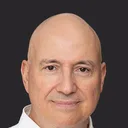
Dr. Peter Michalos
Limiting Sugar and Choosing Whole Foods to Support Healthy Aging
Dr. Peter Michalos WABC Medical Expert
Protect Your Skin From UV Radiation and Reduce the Risk of Skin Cancer
Dr. Peter Michalos WABC Medical Expert
Processed Foods and Mental Healthcare Failures Threaten Public Health
Dr. Peter Michalos WABC Medical Expert
