


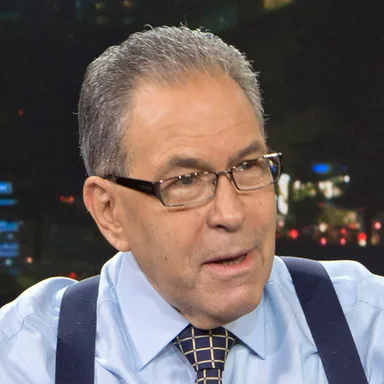
Michael Stoler Real Estate Expert
The Stoler Report with Michael Stoler: Lev Mavashev
Transcript
Automated transcript · uncorrectedGood morning. This is Mike Stola for the Solar real Estate Report. What’s happening in the multifamily arena today. There’s a lot of transactions taking place at different price rates, at different cap rates, and different locations. I’m very fortunate to have my friend Lev Meshave, who is the founder and the principle of Alpha Realty, a top investment sales
brokerage firm specializing in the sale of multifamily and mixed use properties within the Five Boroughs. Good morning, Mike, thanks for being over here.
Great to be back here. Thanks for having me.
So what’s happening in New York City multifamily market right now?
Ho said, looking, well, a lot of If I had to sum it up, I would say there’s a growing momentum in the market right now. I mean it’s different from uh, you know, the market’s kind of different from where it was, say, eighteen months ago. We have transaction volume definitely increased when happened alone, So an increase and transactions.
There are more buyers out there now. Capital that was sitting on the signelides is back active now. We have foreign investors. They’re out buying now.
Which where are the foreign investors from I mean, definitely, we’re doing deals with a lot of these groups from Japan right now. Are they dealing with local partners when they’re doing these deals or.
A great question. So it depends a lot of them are buying directly, especially like the cleaner free market buildings, they’re just buying it directly.
Okay, what do you mean by the cleaner free market building.
I mean like the gut renovated, turnkey free market product that’s easy to manage. It’s not so management intensive. Right they’re handing the keys to a rental broker and they’re saying, just keep it least up. Now, I am seeing them going into the rent stabilized space, or at least the hybrid product. I’m not saying they’re buying a totally rent
stabilized building these days, but you know, if there’s let’s say twenty fifteen twenty some of the buildings were unstabilized, they’re getting comfortable around that. And and for those type of deals they’re partnering up with, uh, you know, local experienced operators and managers that have that have the experience managing this type of stuff.
So who’s comming to you the seller of the buyers today.
Oh, definitely still more sellers. But you know, you mentioned where they’re buying. They’re buying Manhattan, they’re buying good stuff, but we’re also seeing them going out to the burrows and uh, I mean it’s still look, there’s still uh, there’s still some challenges in the market. Are not saying it’s all a rosy picture. We are definitely seeing a
lot more activity, but we still have you know, we still have due diligence and regulatory hurdles, financing and underwriting, you.
Know, a little bit of financing and underwriting.
Sure, I mean rates are still stubbornly high, and uh, you know that still poses a challenge, So we still have that kind of there’s still that bit ask spread between buyers and sellers, though it is narrow, which is why we’re seeing a lot more activity. But in general, you’re seeing a lot more lenders on the market right now.
You know, we have any any anywhere from you know, obviously you have your agencies and your CMBs lenders, but you also have you also have these local community banks that are coming back to the United dime customers what else have obviously chased. You know, they’re they’re actively back lending you know, I mean, Chase has always been lending,
but again you have you know, you have the dimes, you have the regional banks coming back into the market lending again. And you know, I always say that that markets kind of drive an investment sales market. So it’s another reason why we’re seeing a lot of uh, we’re seeing a lot of activity right now. But yeah, just
to come back to it, overall, it is a healthy market for properly priced deals.
Okay. In a recent column in The Commercial Observer, you talk about a tail of two markets. What do you mean by that?
Yeah, it’s just spin on the tail of two cities. So, you know, I think I touched up on this with you. Market’s kind of that it’s been diverging, but it’s like really like, you know, you have the you have the let’s say, you know, you have the a market where it’s you know, prime free market buildings, free market buildings
and prime locations. You know, those are trading at five six caps. And then the other end of it, you have the you know, these pre war rent stabilized buildings and those are trading at anywhere you know, a nine ten caps. You know, so it’s kind of you know, I get these, I get these. I have these conversational
time houses you’re selling you know, five six caps, and then you know you have deals that you’re selling at nine ten caps. And it’s it’s the product, right, the free market stuff. There’s a lot of demand for a lot of capital chasing that stuff. On the other end of it, you have the rent stabilized stuff. That’s you’re
not getting a lot of institutional capital chasing it. They can’t make sense of it, right, how do you value something with you know, where you know you have a cap on rent increases? Men, all expenses are increasing, right or or paperwork in diligence is difficult to wrap their head around. So so those are the guys that are,
you know, the institutional capital. They’re not touching the rent stableized stuff. They’re chasing the free markets, this rent freeze. Yeah, I mean it’s more of a sentiment and headlined. I mean, look, am I am I seeing am I seeing offers and deals getting retraded because of it. Yes, people are leveraging that for a retrade, but more of the experienced guys
always you know, nobody expected, nobody expected increases, especially with Mandani. I mean this has been priced in from last year when when he won, and he has campaign promise was rent freeze, no increases, So a lot of the guys already priced that end that they didn’t. I mean, it was rare to see zero increase for two year lease renewals.
But yeah, it wasn’t it wasn’t it was it wasn’t so healthy for for for them or just a sentiment in general.
Okay, with regard to the sentiment in the market, what happens somebody has to make renovations and there’s no money for that. How how is an owner able to pass through?
I mean, great point. What’s suffering the most is you know what these landlords are doing is they’re cutting back on repairs and means ultimately it’s hurting the tenants. Right, you have you have this, you have this rent stabilized housing stock, which is really housing, is truly housing, These middle class affordable you know, these are the these are
the affordable rents housing middle middle class society. And you know, I don’t know the city should really incentivize, really should incentivize the landlords to take care of this housing stock. They’re not doing that by by.
Saying you can’t pass through any.
Nothing correct, correct, Yeah, nobody. That’s and that’s.
Why somebody says, why are you even investing in this market if you can’t get any That’s right.
This is exactly why the institutional capital and the private equity groups are not buying this type of stuff. The buyers for this rent stabilized for the rent stabilized housing stock is your local owner operators. These guys you know out in the borrows. You know, they already have a couple of thousand units and they’re picking up another or
whatever it is, a couple of hundred, a couple of hundreds, sometimes even a couple of thousand units. We know some groups that are going to be buying a couple of thousand into the next two years. But again they’re they’re local operators. They already owned thousands of units, they already have a management company, they already have systems, they already
have an office in place, so they’re double down and you know, kind of dollar cost averaging it.
If you’re speaking to me now, who’s considering selling, what advice would you give them right now? It’s a base market.
Not just depends actually again depends on the product. If it’s if they own a re market building in Manhattan. I think it’s a great time to sell. There’s a lot of buyers, a lot of capital chasing the total free market, totally free market. Yeahah yeah, I’m talking about totally free market. It’s a great time to sell it.
We could go out to market and we are selling these I sold something in Willing’s work, a nice big elevator building, prime location, free market, sub five cap. Okay, so there is capital chasing that stuff. So if you ask me, I would say, let’s go, let’s take it out to market, let’s properly position this and sell this.
Rent stables. On the hand, I would advise not to sell. I it’s just not a good time to sell. I don’t know if things are going to be improving. Hopefully they are, but the.
Market, if the city and the government are not.
Or correct correct, you’re you’re right. We’re hoping something is going to change. Where you know, it looks like something has to change. I mean they have to. I mean something has to give. You have a lot of vacancies, you have, you have these house you have, you have these buildings that are pretty much crumbling. The for it
means violations. Nobody’s taking care of them, there’s no incentive to take care of them. I think the city eventually is going to realize, hey, this is our affordable housing stock. We need to find a way to take care of this, and the best way to do that is to incentivize the lambs to take care of the buildings, to take
care of their own buildings.
So if an investorc founds to you from Argentina, Okay, or it comes from China or Japan, what do you tell them today?
I mean, most of them are already telling me they don’t want to touch un stabilized. I’ll have a conversation with them, obviously, so they understand the market and what they’re what they’re looking at. But most of them when they approach me, they already no, Listen, we’re not looking for the rent stabilized stuff. We’re looking for the you know,
free market buildings in Manhattan or prime Brooklyn locations. But what am I what my personally feelings about rent stabilized is I think it’s a great time to be buying the stuff. This is the type of stuff that you’re going to look back, right. You always speak to these owners of Manhattan that both their buildings in the nineties right,
or or or you know, in general, these guys at both these buildings in the eighties, right. I think it’s a great entry point into the market. I think you’re going to look back in twenty years and you’re gonna be like, I should have been buying these buildings that three times three times the rent roll on time caps,
which is what a lot of these rent stabilized buildings are trading for. And you have to circle back. My advice to be for these investors is try to find the local operator to partner up with and buy these buildings.
So I think you’re basically optimistic on the market.
I’m up, yeah, for sure. I mean, look again, I’m a brokeram facilitating these transactions. But yes, in general, taking a step back and looking at where we are in the cycle, I think it’s a great entry point.
Where are we.
Again, two separate cycles free market product? I think where I mean we’re in that like upper mid level part of the cycle. I think there’s still room to grow, especially especially as rent continues to grow. Rent is hitting another record high in Manhattan. For the rent stabilized product, we’re at the bottom of the cycle. I’m not sure
how much worse it could get already, it may even get just better. I feel I hear insurance is coming down a little bit. More underwriters now, More underwriters now are willing to ensure this product. So I feel like some costs are starting to stabilize or even come down.
So we might see, uh, we might see an improvement in this rent stabilized housing, especially if I mean definitely the regulator environment has to improve. But again, I feel like we’re at the bottom of the cycles. I think it’s a great entry point into into that type.
I’d like to thank liv for being here, and I’ll have you back in a couple of months, always for a different perspective.
I always love being here, like looking forward to thank you
Sunday, July 26, 2026

The Economic Strategy to Counter China
David Malpass Former President, World Bank Group

Inside the Bureau's Largest Security Operation Ever
Christopher Raia Deputy Director, FBI

The GOP's Path to Victory in Arizona
Andy Biggs U.S. Representative from Arizona; nominee for Governor

Examining New Jersey's Voter Registration System
Christine Hanlon Chair, New Jersey Republican Party

Defending the Political Center Against the Far Left
Jerry Kremer Former NY Assemblyman & Political Columnist

Why Free Markets Are the Answer to New York's Housing Crisis
Judge Richard Weinberg Retired New York City Criminal Court Judge; 77 WABC Host

Supporting Independence for People With Disabilities
Geraldo Rivera Journalist & Author


The West Must Take a Harder Line on Iran
Tal Heinrich Former Spokesperson, Israeli Prime Minister's Office

How the Jones Act Hurts the U.S. Economy
Rachel Greszler Senior Research Fellow, Advancing American Freedom

Traditional Democrats Must Push Back Against Socialists
Hank Sheinkopf Political Consultant

Protecting Yourself From Legionnaires' and Cyclosporiasis
Dr. Mason Pimsler Geriatrician, Lincoln Medical Center
Challenging New York City's Bike Lane Expansion
Hartley Bernstein Attorney, Bernstein Cherney LLP


SpaceX, Voyager and the Untold Stories of Apollo 11
Steve Kates Space and astronomy broadcaster (Dr. Sky)

How Big Tech and AI Are Putting Children at Risk
Lynn Shaw Founder of Lynn's Warriors

Michael Stoler
The Stoler Report with Michael Stoler: Eli Weiss and Andrew Albstein
Michael Stoler Real Estate Expert
The Stoler Report with Michael Stoler: Eli Weiss and Andrew Albstein
Michael Stoler Real Estate Expert
The Stoler Report with Michael Stoler: Robin Schneiderman
Michael Stoler Real Estate Expert
