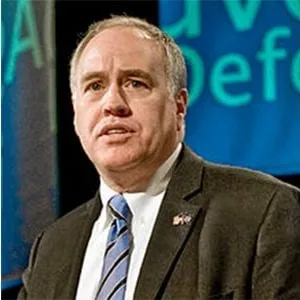
Tom DiNapoli New York State Comptroller
New York’s Budget Surplus, Rainy Day Reserves and Fiscal Challenges
Tom DiNapoli
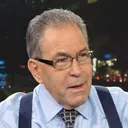
New York State Comptroller Tom DiNapoli, re-elected this month, tells John Catsimatidis that the state is benefiting from a good year on Wall Street, with profits on track for a record that could reach $90 billion. He says the state’s out-year budget gaps have shrunk and that the governor is putting more money into rainy day reserves as a buffer against a downturn or a market correction.
Key takeaways
- DiNapoli said his win drew a lot of crossover votes, including from Republicans and independents.
- He said three-year gaps fell from about $32 billion to $17 billion, with next year’s at $2.9 billion.
- He said the governor won by 20 points, giving her a very strong hand with the legislature’s supermajorities.
- He said city voters approved creating a reserve policy, the next step for the mayor and comptroller.
- He said the new congressional majority may change some federal policies that negatively impacted New York.
In their words
“Taxpayer migration, it’s not as severe as the critics say, but we are losing some of our folks who help to pay a big part of the freight”
“We’re building up the buffer so that we could manage through a challenging time.”
“what’s interesting about the folks on Wall Street, even when there’s volatility, they seem to know how to make money.”
Quotes are word for word from the automated transcript, uncorrected; the summary and takeaways are editorial.
Transcript
Automated transcript · uncorrectedWell, Sunday morning. With us today is Thomas DiNapoli, and he is the Comptroller of the State of New York. And, Tom, I know you for 30 years. I can say, Tom, congratulations on your big victory. I heard it was the biggest victory ever. Tell us.
Thank you, John. Well, first of all, thank you for that. We got tremendous support, a lot of crossover votes, including from our Republican and independent friends. So I was very, very happy. pleased with those results. It means I can continue to be the controller of New York State for the next four years. A lot of challenges out there,
a lot of uncertainty with the economy, but the good news in the short run is that in New York State, we’re benefiting from Wall Street having a good year, even with all the uncertainty, even with all the volatility. We put out a report, showed record profit levels for the first half of the year, and Wall Street on track
for Hitting a record could be as much as $ 90 billion in profits. Then, of course, the bonuses will be padded early next year. That’s boosting the tax revenue that’s coming to New York State.
Well, you know, a lot of money always comes into New York State between the stock market and the hospitals, the education. And there’s so many things good that happen in New York. And we’re all praying that it keeps going on. And there’s no, you know, I don’t want to play the Exodus music on my shows. Right.
Well, look, there are certainly issues out there. We need to be mindful of the fact that we do have an issue. Taxpayer migration, it’s not as severe as the critics say, but we are losing some of our folks who help to pay a big part of the freight of that personal income tax revenue. But the good news, John,
is we just had the mid-year update on the state’s financial plan, and the out-year budget gaps have been reduced now. They were originally going to be over the next three years about $ 32 billion, now down to about $ 17 billion.
So the gap for next year, $ 2. 9 billion, a lot smaller than we first thought. And what I’m very pleased about, the governor is putting more money into the rainy day reserve funds. So should this economy go in a negative way?
Should the stock market have that AI correction that everybody’s talking about? We’re building up the buffer so that we could manage through a challenging time. But, of course, we hope the market stays strong. You know, John, what’s interesting about the folks on Wall Street, even when there’s volatility, they seem to know how to make money. And that’s
certainly been the case so far.
My only concern is that the state Senate and the state assembly has a super, super majority and that there’s no checks and balances on them. And normally that the governor is the checks and balances of the assembly and the Senate that she doesn’t have any firepower now.
Well, I mean, keep in mind, in New York State, under the state constitution, the governor is a very strong position, stronger than governors in most states. She’s the one who certainly sets the agenda. She has more of the authority in the budget process. But you’re absolutely right. At this point, there are super majorities, both in the Senate and the Assembly,
that the Democrats made, I would think it’s fair to say, unexpected gains, especially in the state Senate. But, you know, Democrats, and I could speak as one, were not a monolithic group, so they I think there’s going to be a lot of debate at a, at a lot of give and take and negotiating within the respective conferences of the Senate
and the assembly, as well as with the governor. But don’t forget the governor won by 20 points. So she has a very strong hand in this as well.
Understood. Uh, anything else, uh, you want to tell the, uh, American people, all the people in New York city, New York state.
Well, just, you know, the same thing for New York city, New York city is benefiting from wall street doing, uh, doing better. The mayor has savings plans, uh, and targets that are on track because, you know, the city has out-year budget gaps as well. Comptroller Mark Levine is doing a good job of working with the mayor, trying to
navigate that. As part of the election process, the voters in New York City voted to have the city establish a reserve policy. That’s going to be the next step that the mayor will work out with the comptroller. So I think everybody’s assuming that we may have some challenging times ahead because of the choppiness in the markets. And
we’re trying to be prepared by building up our reserve funds so we can weather whatever happens. The other thing to stay tuned on, John, is what will be the changes coming out of Washington? We have a new majority in the Congress, both in the Senate and the House of Representatives. Some of the federal policies that negatively impacted
New York, perhaps some of that will change, be helpful to us as well. A lot in flux at the national level, certainly, that we have to monitor.
Well, Tom DiNapoli, controller of the state of New York, four more years. Congratulations, and thank you for coming on this Sunday morning, and thank you for doing a great job.
Thank you, John. Always great to talk with you.
Sunday, November 15, 2026
Rolling Back Regulations and Unleashing American Energy
Lee Zeldin EPA Administrator
Navigating Senate Rules to Advance Key Republican Priorities
Kevin Cramer U.S. Senator from North Dakota
Washington Must Maintain Pressure on Iran
General David Petraeus Former CIA Director & Four-Star General
America's Military Technology Priorities and the Race to Stay Ahead of China
Michael Dodd Assistant Secretary of War for Critical Technologies
Inside His Prison Years and His Views on Today's Democratic Party
Rod Blagojevich Former Governor of Illinois
Democrats Must Unite and Avoid Internal Infighting
David Paterson Former Governor of New York

Fighting Human Trafficking, Promoting Faith and Reaching Hispanic Voters
Bob Unanue Former CEO of Goya Foods

The Legacy of Stanley Zabar and the Family Behind the Legendary New York Deli
Bill Wachtel Founding Partner, Wachtel Missry LLP

The Growing Financial Struggles Facing Small Business Owners
JT Foxx Entrepreneur & Investor

New Medical Breakthroughs Are Changing Alzheimer’s Diagnoses
Dr. Mason Pimsler Geriatrician, Lincoln Medical Center

Reversing the Effects of Aging and Maximizing Your Healthy Years
Dr. Peter Michalos WABC Medical Expert

The Future of Moon Exploration and Preparing Humans for a Mission to Mars
Steve Kates Space and astronomy broadcaster (Dr. Sky)

Congress Must Act Now to Protect Children from Online Dangers
Lynn Shaw Founder of Lynn's Warriors

Wall Street Weighs Nvidia Controversy Amid Growing AI Investments
John Terrett WABC Financial Analyst