


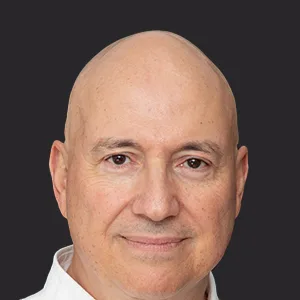
Dr. Peter Michalos WABC Medical Expert
How Exercise and Nutrition Can Help Prevent Dementia
Transcript
Automated transcript · uncorrectedSunday morning. Well, it’s Catholic Easter, it’s passover. We will want to live longer with us today is with his nickname Live Long and prosper doctor Peter Michelos, and tell us what you have in mind so we can live and live long and prosper well.
Today, John, We’re going to talk important, very important topic. And the number one utilizer of energy in our bodies is our brain. It’s an extremely metabolic area and what feeds our brain, blood flow feeds our brain. And I was recently talking to a nationally renowned neurosurgeon, Dimitri Sagunas at George Washington University in DC, and he was saying
that the nutrient of the brain is our blood and everything gets delivered through blood flow, and blood flow is extremely important to the brain and many things can happen with the brain vasculature. And some interesting studies that came out, and one of them published in March fifth, twenty twenty six in the Journal of Cell found that when we exercise,
the liver produces a chemical called exerkind it’s also called gpl D one, and when those increase when that when we exercise, and that glpd one increases it actually rejuvenates the blood brain barrier function, and it helps reduce Alzheimer’s disease pathology, as was noted in the mouse model. So exercise creates this liver exerkinase, and it reverses aging and
helps reverse Alzheimer’s, and it improves memory, and it also helps to target the brain blood vessels and actually helps increase blood flow to feed the brain. And the basically there’s an exercise liver to brain axis that we’re starting to understand, and they never really knew how it worked.
But exercise versus the cellular and the molecular hallmarks of brain aging. And there’s an area in our brain.
Let’s go over that one more time because it’s how important it is. Say that last a couple of sentences.
Again, the exercise reverses cellular and molecular whole marks of brain aging. So basically, exercise turns on this chemical exerkind And there’s an area of our brain called the hippocampus region of the brain which is very important for memory, and it’s very sensitive to the aging process and it’s sensitive to losing blood flow. So more physical activity lower
risk of dementia. And but now they actually have you know the chemistry behind it. We talk about, oh, exercise is good for you, but now you know, we know and when you measure the plasma levels, which is the levels of these these chemicals inside the bloodstream and sedentary mice, and if you give them blood from a mouse that
does a lot of exercise and goes on the wheel and you give it to a sedentary mouse, that mouse gets better. So those chemicals are in the blood in the plasma and the beta amyloid plaques which are associated with Alzheimer’s started getting better when they gave a blood transfusion to those mice. So that means that these exercise
chemicals are very important and they reverse memory loss in the aging Alzheimer’s model mouse, and it has a great potential for future treatments. In addition, they also found the time of the day that exercise is more effective, and they found it in March twenty twenty six study. Again, all this stuff we talked about here is how off
the press exercise between seven and nine am is much better to lower the risk of things like obesity, type two diabetes, heart disease. It actually drops the risk by thirty percent. And again indirectly that also helps to prevent Alzheimer’s.
And the other thing is that it basically the morning exercise jump starts your metabolism and it boosts insulin sensitivity, and it basically improves blood flow. And the other thing that we now know improves blood flow was nitric oxide.
Nitric Oxide is what’s inside blood vessel that caused them to dilate and produce more blood flow. That’s how things like viagra work by increasing blood flow. And interestingly, they found that viagra, which increases nitric oxide, also helps reduce the chance of getting Alzheimer’s, which is pretty wild. But the other side is wild.
I mean, is any food that increases nitric oxide.
Yeah, there’s a whole list of food and number one on there is of course green leafy vegetables that like a arugula, spinach, kale, lettuce, cabbage. And then you have beats, of course, which not only by dilating the blood vessels, beats can lower blood pressure. And I know if I take a beat capsule can drop my blood pressure in
an hour. By sometimes I’m gonna tell you.
One Beta Peter, I’m gonna tell you when better. When I usually take two blood pressure pills a day, one in the morning, one at night. If I eat beets, I only need one.
Exactly, absolutely, And a little bit of garlic also lowers it. And putting a little bit of lemon in your water, and also pomegranate has been found to increase the biovability of this nitric oxide. And also a little bit of dark chocolate and now we know why it actually boosts nitric oxide. And watermelon helps produce something called l argentine,
which becomes nitric oxide. And that’s why they call watermelon the Viagra food because it actually helps improve blood flows. So this is all fascinating that we know how important it is. We’re moving.
Would you say we’re moving at warp speed on learning all this stuff?
Yeah, no, absolutely. And that other study we talked about where they found that the Alzheimer’s brains have the natural lithium rotate that’s found in like spring water, not the psychmad lithium carbonate that that was like found to be zero in patients with Alzheimer’s. And now many doctors are looking at the research and might start giving microdoses of
lithium ritate to people with memory loss and Alzheimer’s because it seems to be an essential element that’s missing in those patients. So blood flow and feeding the brain is very important. And keep listening to WABC for more health tips on how to live long and prosper and happy Easter passover and whatever anybody celebrates this great thing.
And I don’t think that Greek Easter is next week, and you know what that means. All the candy, all the candy between solder for Easter, we could buy it for half price.
Next week, absolutely fifty percent off on Easter chocolates.
Thank you so much, doctor Peter Milos, and we’ll talk again soon.
Thanks for always getting the truth out on the Cats Roundtable
Sunday, April 5, 2026
New York Tax Hikes Will Drive Businesses Out
Steve Fulop President & CEO, Partnership for NYC

Campaigning Against Zoning Mandates and High Taxes
Betsy McCaughey Former Lt. Governor of NY
Backing Trump's Tough Stance on Iran Nuclear Threat
David Paterson Former Governor of New York

Hard Work, Opportunity and the Launch of His New WABC Program
Fernando Mateo President, NY State Federation of Taxi Drivers
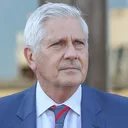
New York Needs Lower Taxes and Stronger Leadership
Bruce Blakeman Nassau County Executive; nominee for Governor
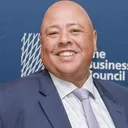
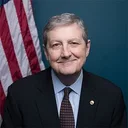
We Must Preserve America Amid Global and Domestic Threats
John Kennedy U.S. Senator from Louisiana
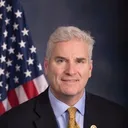
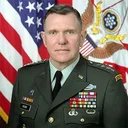
American Military Strategy Targets Iran's Weapons, Infrastructure and Proxies
General Jack Keane Retired Four-Star General, U.S. Army

Restoring the American Dream Through Affordability
Brooke Rollins U.S. Secretary of Agriculture
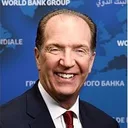
U.S. Strength Lies in Innovation and Energy Independence
David Malpass Former President, World Bank Group

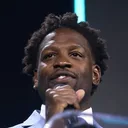
Spiritual Lessons of Easter for Individuals and the Nation
Pastor Lorenzo Sewell Senior Pastor, 180 Church, Detroit
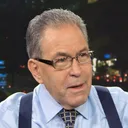
The Secrets of Grand Central and the Ancient Egyptian Pyramids
Steve Kates Space and astronomy broadcaster (Dr. Sky)


Parents Must Stay Vigilant as AI Enters the Classroom
Lynn Shaw Founder of Lynn's Warriors
Dr. Peter Michalos

Advances in Lung Cancer Detection and Personalized Treatment
Dr. Peter Michalos WABC Medical Expert
Healthy Eating, Stronger Immunity and the Science of Living Longer
Dr. Peter Michalos WABC Medical Expert
Limiting Sugar and Choosing Whole Foods to Support Healthy Aging
Dr. Peter Michalos WABC Medical Expert
Protect Your Skin From UV Radiation and Reduce the Risk of Skin Cancer
Dr. Peter Michalos WABC Medical Expert
