


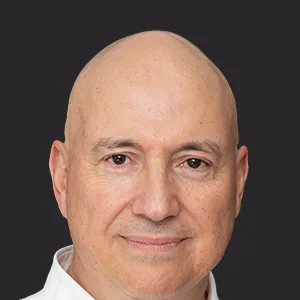
Dr. Peter Michalos WABC Medical Expert
Longevity, Alzheimer's Prevention, and Aging
Transcript
Automated transcript · uncorrectedSunday morning. Well, live long and prosper. Dr. Peter Michalos has a new book, and it’s already number one on staying alive list. Dr. Michalos, tell us about the book first.
Well, John, the book is called The Death of Aging, and for more information, it’s on Amazon and thedeathofaging.com. And thanks to our great listeners at WABC, it became number one on anti-aging and medical list for new releases. And it covers a wide variety of topics because so many people listen to the show and keep asking, you know,
when you’re going to write a book about it. And the topics like peptides, hormones, Alzheimer’s disease, cancer prevention, travel tips, EMF radiation. People want to learn all about this stuff. Viruses, some of the cool things you and I talk about, viral intelligence and pandemics and how to protect ourselves. And it’s all in there and the death of aging. And
today we’re going to talk about a topic that there’s a whole chapter dedicated to, and that’s Alzheimer’s and cognitive decline. Tell us the name.
Of the book again. And you’re the author, Dr. Peter Michalos. And what’s the actual.
Name of the book? The Death of Aging. And my co-author is Dr. Magdalena Swarczewski, a board-certified internist, anti-aging specialist also.
Yeah, but it’s easier to remember Dr. Peter Michalos.
Yeah, it is. That’s true.
Okay. Never give people a name that they’re never going to remember.
Yeah, you’re absolutely right. But Alzheimer’s disease is such an important topic, and every time I see new literature, I always share it with our great audience. And the latest is that they found that zinc and copper levels, when they’re out of balance, that’s also associated with Alzheimer’s disease.
And again, zinc and copper levels are something that you’re never going to get with the current healthcare system unless you ask for it or unless you go on one of these labs and you can buy the test yourself even without a doctor. And if you can keep your zinc and your copper levels in balance, it’s associated with
less Alzheimer’s. Like if copper levels get too high, that’s associated with more Alzheimer’s. So there’s a balance. And during COVID, a lot of people took a lot of zinc, and zinc blocks the absorption of copper. So some people had very low copper levels, and that can be associated with hair loss, rapid heart rate, anxiety. So the brain is
very sensitive, and also the eyes. We now know about macular degeneration, that it’s important to have normal zinc and copper levels, and these metals also play a role in brain health and the eye health because the eye is actually an extension of the brain, and they’re connected. And there are also, I’ll get right into some of the
foods that we can help to protect ourselves from Alzheimer’s and even from macular degeneration are leafy greens and vegetables. The more colors that you eat every week, the better off you are. because those leafy greens have a compound called lutein in it and xanthanin, which are found in the pigment cells of the retina, but it also seems
to help the brain as well. And berries, like blueberries, strawberries, at least twice a week. And when you cook, use extra virgin olive oil. Do not use seed oil. Seed oils are associated with visceral fat, more Alzheimer’s, more cognitive decline.
Try to eat wild salmon at least once or twice a week. which is very healthy for the brain. Lots of omega-3. The wild salmon is from nature and it has omega-3s, which help us. The problem with the farm salmon is they feed it corn, which has more omega-6, which is not as good for our heart health and
our brain health. And nuts are very important. I do Brazil nuts, walnuts. They look like little brains, the walnuts. There are tons of minerals and nutrients in them and also organic pistachios. And also having good beans. I love those Goya beans like two, three times a week. They’re also loaded with so many healthy compounds from nature. And
things to avoid are fried foods, avoid cold cuts. And we said avoid the processed margarine type of foods. And the other fascinating thing that they found recently is that nobody ever measures insulin levels. So you can have like a normal blood sugar and a normal A1C, but your insulin levels could be rising to keep it looking normal.
And they found that higher fasting insulin levels are associated with faster cognitive decline and Alzheimer’s. So keeping your fasting insulin levels under control is very important so you don’t stress out your pancreas because they say that glucose metabolism in the brain, they call Alzheimer’s, some people call it type 3 diabetes because your cells in your brain can’t
get fed properly because your insulin isn’t working properly to deliver the energy to the brain. So that’s another thing to watch out for.
Let’s talk about that again. because diabetes is a big item in our country. And, you know, everybody’s heard type 1. Everybody’s heard type 2. You just mentioned type 3. Tell us how type 3 comes into play again.
Type 3 diabetes is how they describe the inability of brain cells to utilize insulin to feed the brain energy. And they’re saying that When the brain can’t get fed properly and doesn’t have proper metabolism, it develops more waste products, and it’s not being fed. It’s like putting in 70 octane gas into your brain, but when your insulin is
working out nice, it’s like getting 96 octane gas in your brain, and our brain works better. So that’s why controlling your blood sugar and trying to keep your pancreas from overworking is Now.
Tell us, how would you control your blood sugar better than it is?
Well, intermittent fasting, as we talked about, if you’re not pumping food in your stomach all the time and having late-night snacks of chips at 9 and 10 o’clock at night, then your pancreas doesn’t have to work harder.
So, intermittent fasting solves the Diabetes 3 problem.
It does help it a lot, and not eating the processed sugary foods that constantly cause the insulin to pump out, and eventually it gets exhausted, and that’s called insulin resistance, and it doesn’t work properly anymore. So eating farm-to-table, eating fresh fish, Mediterranean diets, not having sodas that are full of sugar or soft drinks that are full of sugar
that don’t stress out the pancreas, so then your fasting insulin levels will be lower. And also insulin is a growth hormone. It makes cells grow. So if you have cancer cells in your body and you have high fasting insulin levels, it tells the sugar go into the cell.
And the first cells that grab onto it are the cancer cells. That’s why when they radioactively labeled sugar molecules and they gave it to pancreatic cancer patients, the sugar molecules they found went straight for the cancer. So controlling sugar, controlling the fasting insulin levels, helps protect you from Alzheimer’s, protects you from cancer, and these are new findings.
Because if you eat too much sugar, it goes straight for the cancer cells to feed them.
Right, exactly, and that’s why we don’t want to feed the cancer cells. And another fascinating thing they found, a big Harvard study, they looked at mice and they gave them something called lithium orotate, And it improved their ability to go through the maze, and the plaques in the brain started going away. And then they took donated brains
from Alzheimer’s patients, and they found that they had almost zero lithium orotate levels. Lithium orotate is not the psych med lithium carbonate. It’s the stuff that’s found in mountain water, in spring water, in the mountains. And that’s why, for example, one state in America and some communities in the state of Utah have very low Alzheimer’s disease and low cognitive
decline because they have a ton of lithium orotate inside their water supply, which is another fascinating finding and a big study at Harvard. And we’re going to be hearing a lot more of that. And doctors eventually will probably start recommending people take some microdoses of this type of lithium orotate over-the-counter. which helped in the animal model, and
now they’re doing studies on humans, and it’s another weapon. So it really proves we’re really a big bag of chemicals, and chemical balance in our brains is so important. When the chemistry’s out of whack, that’s when we have problems.
And the last thing is for Alzheimer’s is blood pressure control. They found in large studies when the blood pressure is too high, the blood vessels in the brain say, I can’t take it anymore, and they get narrower, and they don’t feed the brain as well. and you get something called microvascular ischemia. The vessels get tiny, don’t bring enough
energy and blood flow to the brain. So control your blood pressure. That also helps prevent Alzheimer’s. And lastly, there are genetic tests you can do called the ApoE4 genes, and you can see whether you have higher risk. So you can start early on for doing things to try to help prevent it. And, of course, socialization they found
is very important, interacting in a community, people who go to– church, synagogue, mosque, and interact with each other and have good friends around them, those people do much better mentally than those people who are isolated and alone. But there’s an entire chapter in the Death of Aging book, and keep listening to WABC for more amazing health tips
to live long and prosper.
Thank you so much. And Dr. Peter Mihalos, live long and prosper, and we’ll talk again real soon.
Thanks, John, for always getting the truth out on the Cats Roundtable.
Sunday, September 13, 2026

9/11, Global Initiatives, and Affordable Healthcare
Bill Clinton 42nd President of the United States

"Our Enemies Want to Sow Dissent Inside the United States"
Jay Clayton Director of National Intelligence

"The Big Government Socialists Are a Disaster for the Country"
Newt Gingrich 50th Speaker of the House

Warns Florida Voters: "We've Got to Take This Election Seriously"
Byron Donalds U.S. Representative from Florida; nominee for Governor


Warns of Growing Threats to New York: Terrorism, Cartels, Drugs and Foreign Influence
Jamie McDonald U.S. Attorney for the Southern District of NY

"Dems Are Nominating Their Crazies to Run for Congress"
Brandon Gill U.S. Representative from Texas

Honors 9/11 Heroes, Says FDNY Is More Prepared Than Ever
Lillian Bonsignore FDNY Commissioner

9/11: "We Can Never Forget…We Can Never Let This Happen Again"
George Venizelos Former FBI Assistant Director in Charge, New York


Sounds the Alarm on Anti-Americanism 25 Years After 9/11
Jesse Arm Vice President of External Affairs, Manhattan Institute


Mentorship, Financial Literacy, and Youth STEAM
Erik Cliette Executive Director, One Hundred Black Men of New York


9/11, Italian-American Heritage, and National Unity
Angelo Vivolo CUNY Trustee; Restaurateur & Philanthropist

The Stoler Report with Michael Stoler: Robin Schneiderman
Michael Stoler Real Estate Expert

Ben Franklin, Mars, and Asteroid Mining
Steve Kates Space and astronomy broadcaster (Dr. Sky)

Tech Guardrails for Kids and TikTok's $400M Settlement
Lynn Shaw Founder of Lynn's Warriors

Dr. Peter Michalos

Advances in Lung Cancer Detection and Personalized Treatment
Dr. Peter Michalos WABC Medical Expert
Healthy Eating, Stronger Immunity and the Science of Living Longer
Dr. Peter Michalos WABC Medical Expert
Limiting Sugar and Choosing Whole Foods to Support Healthy Aging
Dr. Peter Michalos WABC Medical Expert
Protect Your Skin From UV Radiation and Reduce the Risk of Skin Cancer
Dr. Peter Michalos WABC Medical Expert
Processed Foods and Mental Healthcare Failures Threaten Public Health
Dr. Peter Michalos WABC Medical Expert
