Transcript
Automated transcript · uncorrectedDiabetes, one of the leading diseases in the entire world. With us this morning is doctor Robin Goland, and she is the co director of the Berry Center at the Columbia Presbyterian Hospital and also the Eastman Professor of Medicine and Pediatric at Columbia. Doctor Robin Goland, I mean you are a miracle worker up there. You’ve made so much
progress in diabetes. On Sunday morning, tell us the progress that has been made in the last twenty years.
Hathy to be with you and to talk about the amazing progress that’s been made in both type one diabetes and type two diabetes. Type two diabetes very common. Many estimates suggest that one in nine New Yorkers. More than thirty million people in the country have diabetes. But if the key is finding out if you have it and
treating it, trying to prevent the progression and then prevent the complications. The diet and exercise always the most important thing. But in many cases we need medication. And the newer medications for type two diabetes are really nothing short of life changing. And some of the newer medicines they’re called glp ones. You’ve heard of them, probably ozembic Manjaro. They
help people who have been struggling with diabetes and a high body weight lose a fantastic amount of weight and bring their blood sugar under control in ways that ten or fifteen years ago was not possible.
It’s become you know. I can tell that people are losing weight, especially in Manhattan is my supermarket sales are down. They’re buying less food.
Hopefully they’re buying just healthy food. But there is an inflection in the obesity rate in the country and possibly because of these medications. So that’s very good for people’s health. And hopefully the message about eating more healthy things, fresh vegetables, less processed food, and exercising more, that’s all a good message.
I’ve had a secretary Kennedy on a couple of weeks ago, a few weeks ago, and he’s doing miracles as far as getting rid of some of the ingredients and food supply. That’s a tremendous amount of people.
Well, I think we could all agree that having people follow a healthier diet and exercise is good for everybody. So that’s great. I think it’s important to recognize that people who are moving down the road toward type two diabetes they often have a condition called pre diabetes or insulin resistance. There are a lot of things you could
do about that. A little exercise, a little monitoring of your diet, and a little weight loss could stop type two diabetes in its tracks. So prevention in this space is so important understood.
When do we actually have a cure?
Well, I hope before I’m getting ready to retire, so I’m very optimistic. So in type one diabetes, which we used to call the jew vinile form, that’s the problem of insulin deficiency, and with stem cell research, we’ll be able to make endless supplies of insulin producing cells. So I think in the next ten to twenty years we
will be talking about a cure for type one diabetes. A cure for type two diabetes, which is tightly bound up with obesity and insulin resistance, is harder, but I think we’re getting there too. It might take a little longer.
These newer medications help put diabetes in remission for a lot of people and help maintain their health for a lot of years, which is coming close to the goal here. If it’s not exactly a cure.
Now you’re the Coheed be Very Center up in the Columbia Presbyterian, and you’ve made a lot of progress. What does this ozeptic and the munngueiro actually do that the other medicines didn’t do before.
So this huge leap forward. These are medicines that caused the body’s own insulin to be produced and be more effective, and they act on the central nervous system on the brain to be less hungry and to feel full. And so all of patients come in and say, their husband and their wife they no longer have the potato chips
talking to them, So that might be what you’re seeing at the grocery store, or for the first time ever, they ate half the dinner and then they were finished. That Sometimes people who really struggle with their body, wait, they’re off switch is a problem. They’re never full and this gives them that sense of satiety that they never
experienced before, and it turns them into their thinner relative. And people come to my office and cry because they’re eating, but they’ve lost that that drive to overeat and they’ve lost, you know, ten, twenty, sometimes thirty percent of their excess body weight, and their health is so much better.
And I’m on Mondeo and I’ve experienced that where you could have pizza pie in front of us, and before I would finish half the pizza. Now I look at it and I don’t have any.
No, well, we like you to have a slice or a half a slice, but that’s how it works, and people nobody, you know, we want them to lose weight and still enjoy the food and in their life, but just not eat to access. And that’s in general how it settles out.
Doctor Robin Goland, thank you for coming on this Sunday morning, and thank you for all the lives you save, and thank you for all the good things you do for people. And let’s catch up again real soon.
Thank you for inviting me. Thanks a lot. Bye,
Sunday, June 8, 2025
Why is Trump and Musk having a public disagreement?
David Paterson Former Governor of New York
Nobody in Long Island wants turbine windmills.
Bruce Blakeman Nassau County Executive; nominee for Governor
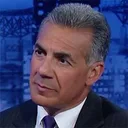
The affordability crisis in NJ is the main issue for the primaries.
Jack Ciattarelli Former New Jersey Assemblyman; 2021 and 2025 nominee for Governor of New Jersey
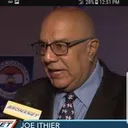
National Porto Rican Day Parade.
Joe Ithier Political Consultant & Community Leader
Independent medical research on ostriches met with CFIA resistance.
Katie Pasitney Spokesperson, Universal Ostrich Farms
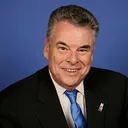

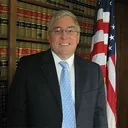
Helping America maintain energy independence.
Patrick Morrisey Governor of West Virginia
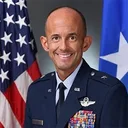
Where is Ukraine spending all this money?
General John Teichert Brigadier General, USAF (Ret.)
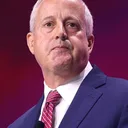
Supporting Trump's agenda.
Michael Whatley Former RNC Chairman; nominee for U.S. Senate, North Carolina

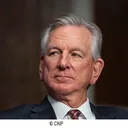
Making the tax cuts permanent.
Tommy Tuberville U.S. Senator from Alabama; nominee for Governor
The bromance is over. Elon Musk and Donald Trump collide.
John Terrett WABC Financial Analyst
The new administrator of NASA.
Steve Kates Space and astronomy broadcaster (Dr. Sky)