


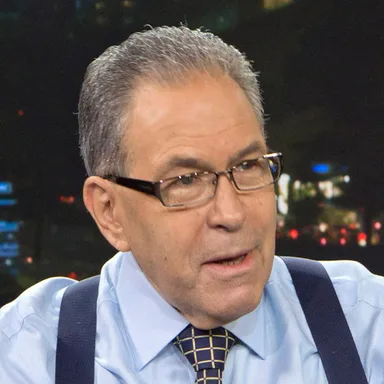
Michael Stoler Real Estate Expert
Interview Brandon Singer CEO & Founder Retail by MONA
Transcript
Automated transcript · uncorrectedGood morning. This is Mike Stola for the Stolar Real Estate Report. What’s happening in retail? Retail is booming all of a sudden, it became the favorite asset forget industrial retail. Is there the carrot that people want to do? So how many people went into business during the pandemic in the retail business? Not too many, but the exception of
my guest today, Brandon Singer, who is the founder and CEO of Mona or what does Mona stand for.
Mona is an acronym for making of a new age, and the idea for the name came from the Mona Lisa, which was obviously painted in the Renaissance. So retail, to your point, has gone through a renaissance and retail by Mona.
Mona is sort of the leader in the renaissance of retail in New York City.
So what happened last year, It was a great year for retail.
It was I think, frankly the past couple of years since the pandemic, since twenty twenty. Coming out of that, New York sort of went through this big transformation where a lot of the traditional brands and retail players here kind of were wiped out. And wiped off the map, and you saw a whole new host of entries into
the market, some of them being brands that never had stores before that were located online, others being sort of retooled revamped traditional retail concepts, others being restaurants, you know, what have you. And it’s been the deal velocity in New York City over the past couple of years has been really really exciting to see.
So let’s talk about some of the deals that took place at the end of the year and are taking place now. Sure a lot of companies are buying their own property. Why are they doing that?
I mean, I think they realize as the numbers get really really big for rent on some of these major high streets, Fifth Avenue, Madison Avenue, soho, some of the brands would like to control their own destiny and not be at the whims of a landlord in ten or fifteen years when their leases up and have to either
move across the street or move down the block or shutter the store. So I think the brands kind of carrying LVMH Reachemont, those big players kind of figured out we might as well try owning. And these really really sort of eight plus plus plus submarkets Fifth Avenue in the high fifties, Madison Avenue, and it’s interesting to see
and we’re seeing that trend continue and I think you’ll see more of it in twenty twenty five.
What about the restaurants opening up.
The restaurant phenomenon started, you know, when the pandemic hit and a lot of the restaurant players started taking space outside. You remember they were on the sidewalk. That was sort of the catalyst for a lot of the restaurant operators to really unlock sort of untapped potential in New York.
And what we’ve seen is.
They had free rent exactly okay, the rent they had the property over there, and they just got the free rent.
Now yeah, pretty much they doubled their store size or the restaurant size, or said differently, they have their rent because they have you know, two times as many tables, and it let them see sort of what the potential was.
And with that, they all expanded all over and they’re super limitted inventory for existing restaurant space or space that landlords are even willing to let a restaurant you know build with venting and all the sort of the bones that’s needed.
Speaking of that, another type of retail, we’ve seen cannabis. What do you what do you expect to see in twenty twenty five in the future.
It has been frankly amazing to see. You know, look, there’s there’s two schools of thought. Obviously, the first school of thought is it’s terrible for the city. You have you have you know, drugs, matt marijuana being sold. But I think from a real estate standpoint, we’ve seen some of these operators take spaces that were frankly unleasable or
were on the market for ten, twenty fifty, twenty five years.
They’re the foam of bodegas. Literally.
Yeah, except it’s sanctioned by the state, which is good.
But it’s not tax deductible.
Good to know. I didn’t know that it’s not.
Tax deductible, and that’s a big problem.
Interesting, but you know, you have they’re regulating the way sort of where similar to a liquor license. They’re regulating the radius as to which how close they can be to one another and also obviously to schools or churches or temples or whatever. And we’re we’re doing a ton of deals with cannabis operators and they’re upscale. They’re not there.
I mean, they’re beautiful, beautiful installations and real operators.
Let’s talk about that. What type of locations are they going into and what about the upscale. I remember on Fifth Avenue on the thirty eighth Street there was a luxury one before. But right now when I’m walking down the streets, all of them really look like they’re nothing.
So the no fancy windows, nothing to really come into.
Have ever been to Aspen, Colorado, Yes, if you’ve been there in the past. However, many years they have some of these really upscale cannabis dispensaries they call them, and you walk in and it’s almost like being in a country club.
It’s beautiful wood finish.
It’s clubs in New Europe.
Yeah, there you go.
You can’t really smoke in them, I don’t believe, but you just have this great experience. I’m not a big marijuana smoker, so I’m not really a customer, but I’ve gone in them. Obviously, I’ve done a bunch of the with them. They’re choosing, you know, the bones of retail, which is close to public transportation, close to people, whether
it’s people vehicular or football, residential office areas, and you know, they can’t co locate within one thousand feet of one another, So that’s that’s the rule. So when there’s one here, you won’t see another one for a thousand feet.
What about these schools like the licor.
Same it’s a there’s a similar type of two three hundred foot.
A Speaking of interesting other tenants, we’ve seen the luxury automobile people for sure. Yeah. Absolutely.
The meatpacking district in the West Side, obviously with all the proximity to the West Side Highway, has seen a ton of that. You know, Tesla’s there, Lucid’s there. We did a deal with Rivian for a shorter term store there.
Up and down tenth Avenue, you have all those auto dealerships. We’ve seen the luxury automotive guys expand Tesla is on a tear around sort of the New York metropolitan area taking big store you know, whether it’s fulfillment sites or service centers or just traditional retail. You know, there are certain areas that are some of the laws in my opinion,
need to change. Fifth Avenue you can’t have a car dealership and because of that, they so you know, a traditional.
Car park avenue you can you have two of them? Correct?
Yeah, absolutely, Aston Martin that signed a big lease on fifty seventh Street.
You have Ferrari that’s there. Ferrari is.
I don’t know if they’re moving or adding another location, but they signed a massive lease at the end of last year and soho massive. They took the former. It’s on the corner. I think of Spring and Mercer, a big, big store, and it’ll be interesting to see what they do with it.
What about watches, I’ve noticed that you’ve been involved with stores with watches.
You want to hear my One of my favorite stories from frankly my career was when we did the Brightling deal in meat packing. We were marketing a space on Washington Street, which is, you know, one of the prime streets in the meatpacking district, and I thought the space worked perfectly for a watch brand. So I called up
the CEO of Brightling and I said, I want you to anchor this building, and I want to rename the street Washington Street. And he loved it and he opened the flagship there just on that idea. So he renamed it Washington instead of Washington and it’s been from what I understand, they’re doing great In addition to that, we’ve
done quite a bit of sort of the luxury leasing, some of which those companies sell watches. But yeah, Brightling was an awesome one to get done in the meatpacking district.
Where do you see additional news stores opening up in the watch business, They Avenue Madison traditional.
They want to go where they know it’s proven.
We’ve seen a lot of the luxury brands, not just watches, but again but sort of the Williamsburg North sixth Street, Bedford has been unreal air mege chanel. It’s phenomenal to see sort of a new kind of sub market that traditionally was looked at as like not really upscale emerge as a new entrant into the luxury players.
Speaking about that, let’s talk about Williamsburg.
Yeah, totally on fire, on absolute fire. Empire State Realty Trust Trust just made a big commitment. They bought a bunch of the stuff on North six You know, you’ve seen over the past ten to fifteen years this sort of trajectory of upward mobility in Williamsburg.
Typically it starts with the restaurants. You know, the cool restaurants go there.
It creates sort of a cache in the neighborhood, and then shortly thereafter the brands follow suit. Similar to meatpacking, but Williamsburg right now on fire.
Let’s talk about pickleball.
Love the best. I’m going to Florida next week. I’m gonna play.
But yeah, the pat So the Padel House, you’re familiar Padel It’s a similar type, similar, different, but similar. So we did the Pidel House deal in Williamsburg. And we chose Williamsburg obviously because of what I just mentioned about sort of all the the the sort of the trendiness and the upward mobility the neighborhood. But the other reason
was the physical layout of the building with the columns and the ceiling heights. Very hard to find space for those types of operators in Manhattan, so I think you’ll continue to see some of them co locate around Manhattan until you know, space that is either a theater right now or something that has very high ceiling heights and
limited column comes available, and then you’ll see some of those pickaball operators sign leases there.
Let’s talk about times Square. It’s done rather well, even though I don’t particularly love it.
It’s amazing. It’s unbelievable.
Times Square, you know, in today’s day and age, where retailers are really focused on the brand, whether that’s social media or you know, Instagram or TikTok or really giving their brand like a brand experience, there’s one place on earth that they’re going to go if they want to showcase their brand, and it doesn’t need to necessarily be
a retailer. It could be you know, a big company that just wants to have a brand experience or something for themselves, like a Microsoft. There’s something along those lines. They’re going to Times Square and Times Square you go there today. There it’s like, you know, there’s people everywhere, and that’s not change, it’s only gotten more populous. There’s
talk now about the casinos and potentially Times Square, you know, landing one of them, and you know, there’s different opinions if that’s good or if that’s bad. I think, you know, obviously it’s one of the neighborhoods that a casino probably belongs.
But if that happens, I think the value now is frankly, it’s tremendously undervalued if one of those casinos comes there, just generally as a neighborhood.
With regard to pickleball, the biggest problem that can happen is an elderly person plays pickleball and they need a orthopedic clinic next door, which is interesting because they’re new orthopedics. Let’s talk about the healthcare market.
Yeah, we So there’s a term that people in our industry have sort of started using to talk about this phenomenon. It’s called medtale. So it’s a combination of medical med and retail tale. Medtale which is basically whether it’s the hospitals you know, the NYU Land Goings or the Columbias so on and so forth taking retail space, or the
city mds of the world, the go healths, those sort of urgent care. And now in addition to that, it’s kind of broken down by specific service.
So the dermatology.
Now we represent a company called Ject, which is short for Inject, which is botox.
They have a Botox store. Now, we did one on Third Avenue.
There’s a company we represent by the name of Wally, which is just an unlimited, great idea and unlimited subscription for teeth cleaning. You can literally go there every day instead of brushing your teeth for ninety nine bucks a month.
They’re expanding into retail and I think as health insurance has you know, it’s big issues that need to be figured out with you know, healthcare becoming so expensive. A lot of these founders of these new medtail concepts have realized they can get into the retail space and create an experience for their customers that they really like and
would prefer to go there.
And go to the doctor.
So how do you see the twenty twenty five for retail?
I firmly believe and I can tell you we’re about a month and a half in. It is white hot. It’s continuing on its trajectory and hopefully, you know, the geopolitical climate to some degree has calmed down where we know who’s in the White House now. In other ways it really hasn’t calmed down, but hopefully that I don’t think.
I think we’ll continue on a trajectory that is super strong.
I’d like to thank Brandon Singer for being here and so much thank and honor, Thank you. Michael
Sunday, March 2, 2025
Don't understand the feud between Governor and Trump.
David Paterson Former Governor of New York
Mandatory EV figures are way out of line. 9% sales in 2024.
Paul Zuber SVP, NY Business Council

Property taxes and property taxes need to be lowered.
Candidate for NJ Gov Mario Kranjac
The Supreme Court in Wisconsin will influence labor law for the nation.
Scott Walker President of Young America's Foundation

Starting a new radio program on WABC daily 8PM – 9:00PM EST
Roger Stone Political Strategist & Consultant
European spokesman meeting between Trump and President Zelensky never seen before.
Mario Economou
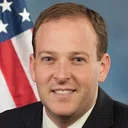
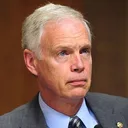
There are questions the former Administrations need to answer.
Ron Johnson U.S. Senator from Wisconsin

Tariffs on Mexico & Canada start Tuesday
Peter Navarro White House Senior Counselor for Trade & Manufacturing
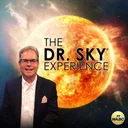
Asteroid has zero chance of hitting Earth.
Steve Kates Space and astronomy broadcaster (Dr. Sky)

Michael Stoler
The Stoler Report with Michael Stoler: Eli Weiss and Andrew Albstein
Michael Stoler Real Estate Expert
The Stoler Report with Michael Stoler: Eli Weiss and Andrew Albstein
Michael Stoler Real Estate Expert
The Stoler Report with Michael Stoler: Robin Schneiderman
Michael Stoler Real Estate Expert
